Starting Childcare in Malta: Comfort Objects and Gentle Separation Tips
Starting childcare is a big step for little ones and parents. These gentle routines and comfort objects can make the first weeks easier.
4 min read
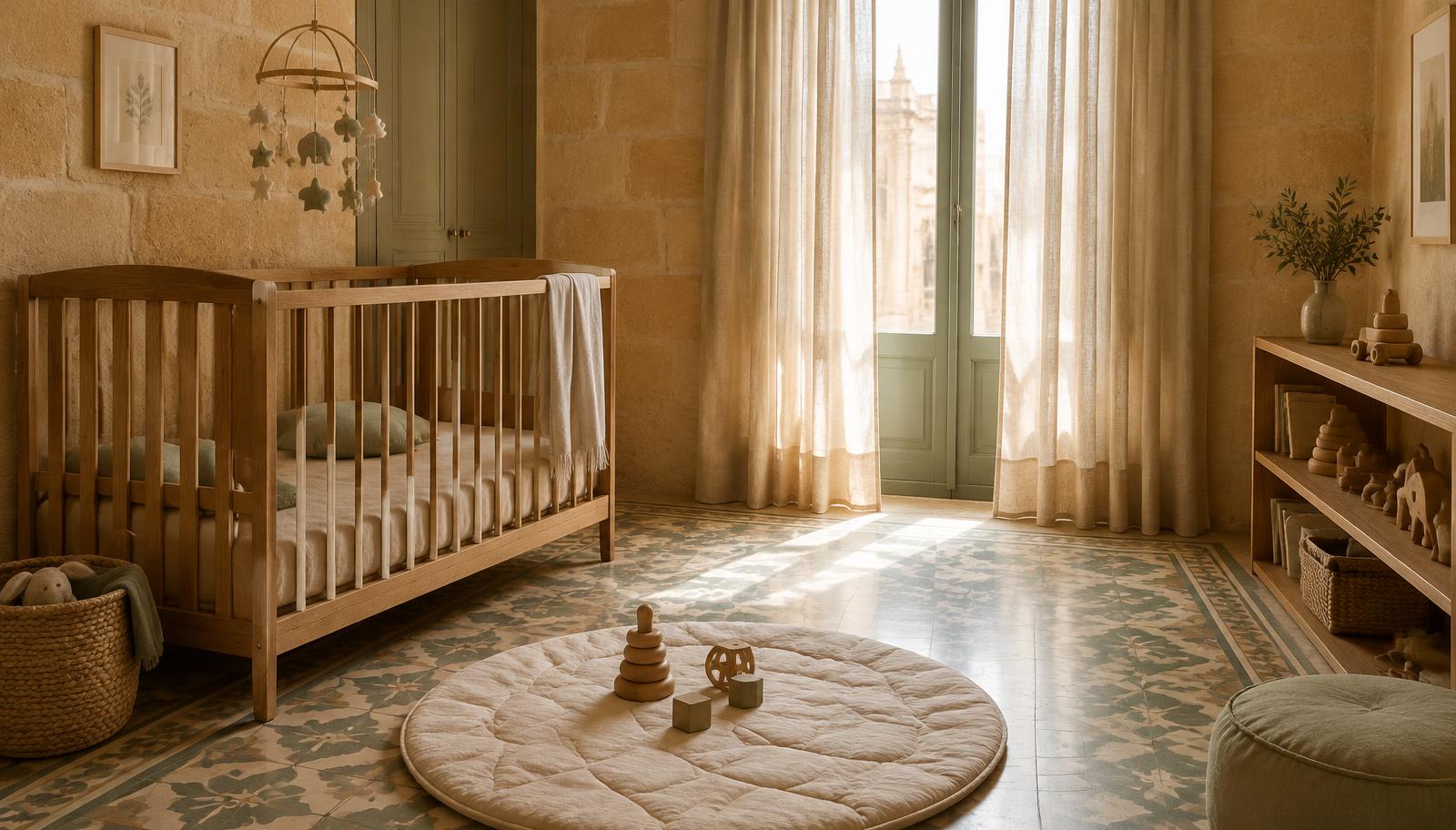
Many families in Malta start childcare while their child is still a baby or young toddler, often when parents return to work. Malta's free childcare scheme for working and studying parents means that for many families, childcare is part of life from an early age. Whether your little one is starting at six months or two years, the first weeks can be emotional for everyone.
Separation is a normal part of development, and most children settle in well with time, patience and a little support. Here are the things that helped us, and that we hear helped other families. For details of eligibility and how the scheme works, always check the latest information from the relevant government department and your chosen centre.
Understanding separation anxiety
Separation anxiety often appears somewhere between eight months and two years. It is a sign of healthy attachment: your child knows you are their safe person and does not want you to leave. Tears at drop-off are common, and many children calm down soon after their parent leaves. Ask the carers how your child was after you left. It is often very reassuring.
Visit before the first day
If your childcare centre allows it, visit together a few times before the official start. Let your child explore the room while you are there. Meet the carers. Point out the toys, the garden, the place where coats go. Familiarity reduces fear.
Many centres offer a settling-in period with shorter days at first. Take it if you can. A gradual start gives your child time to build trust with their new carers.
The power of a comfort object
A small comfort object from home can be a bridge between two worlds. It might be a soft toy, a small blanket, a muslin that smells of home, or a little wooden animal that fits in a pocket. Ask the centre what they allow, and label it clearly.
Some families give their child something of the parent's to keep: a small scarf, a photo in a little book, a cloth heart. The message is simple: I will come back for this, and for you.
A short, consistent goodbye
Drawn-out goodbyes are hard for everyone. Create a short, warm ritual and repeat it every day: a hug, a kiss, a special phrase, a wave at the window. Then leave, confidently. Avoid slipping away without saying goodbye, as this can make children more anxious the next time.
Tell your child when you will return in terms they understand: after lunch, after your nap, after you play in the garden. Then keep your promise.
Talking about it at home
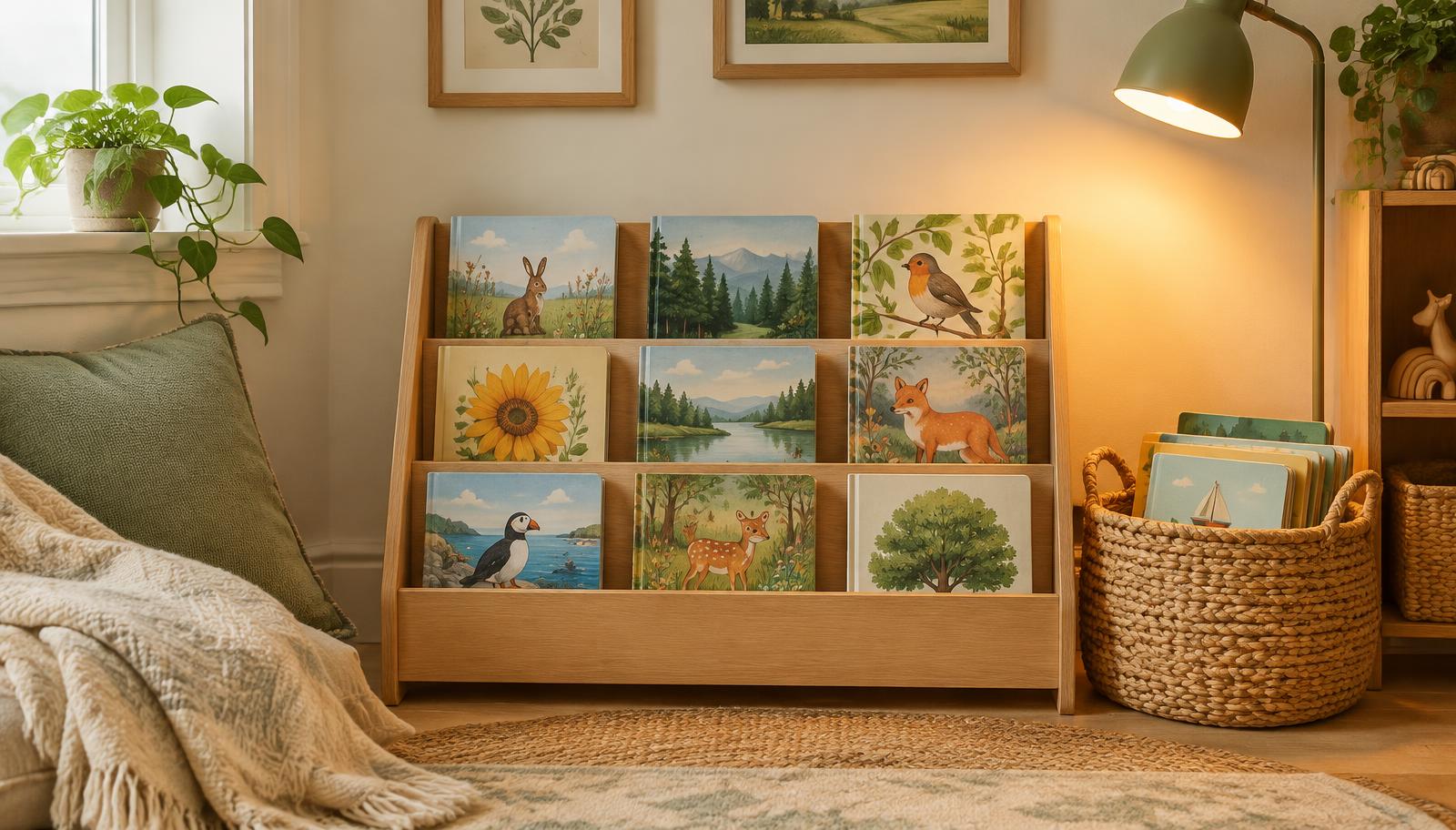
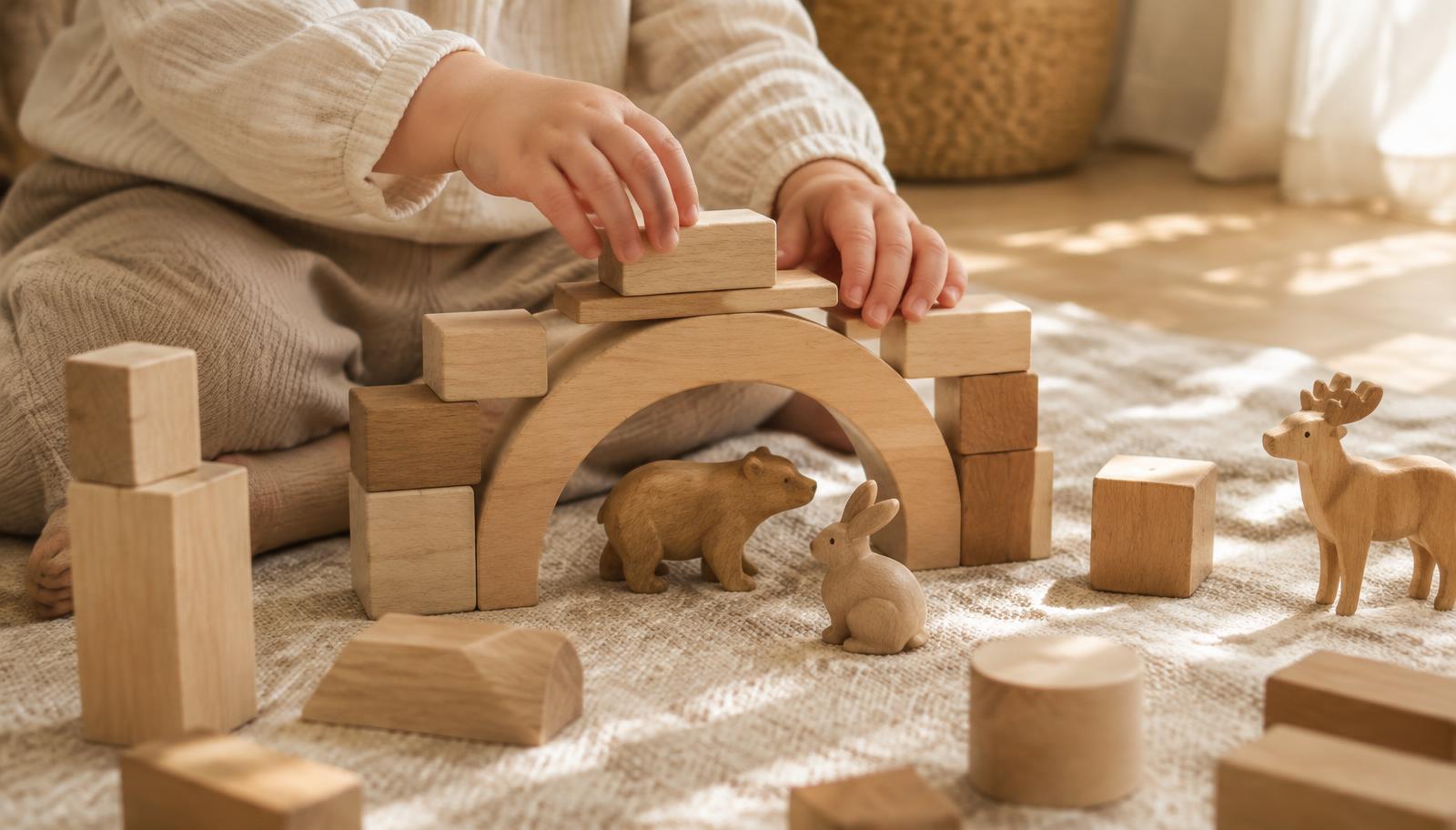
Read picture books about starting nursery. Play pretend with wooden figures or a doll: Teddy goes to nursery, Mummy goes to work, Mummy comes back. Toddlers process big changes through play, and repeating the story helps them feel in control. Small world figures are perfect for this, as we explain in our small world play guide.
After pickup: calm, connected time
Many parents are surprised that their child holds it together all day and then falls apart at home. This is normal. Your child has been working hard to cope, and with you they feel safe enough to let go.
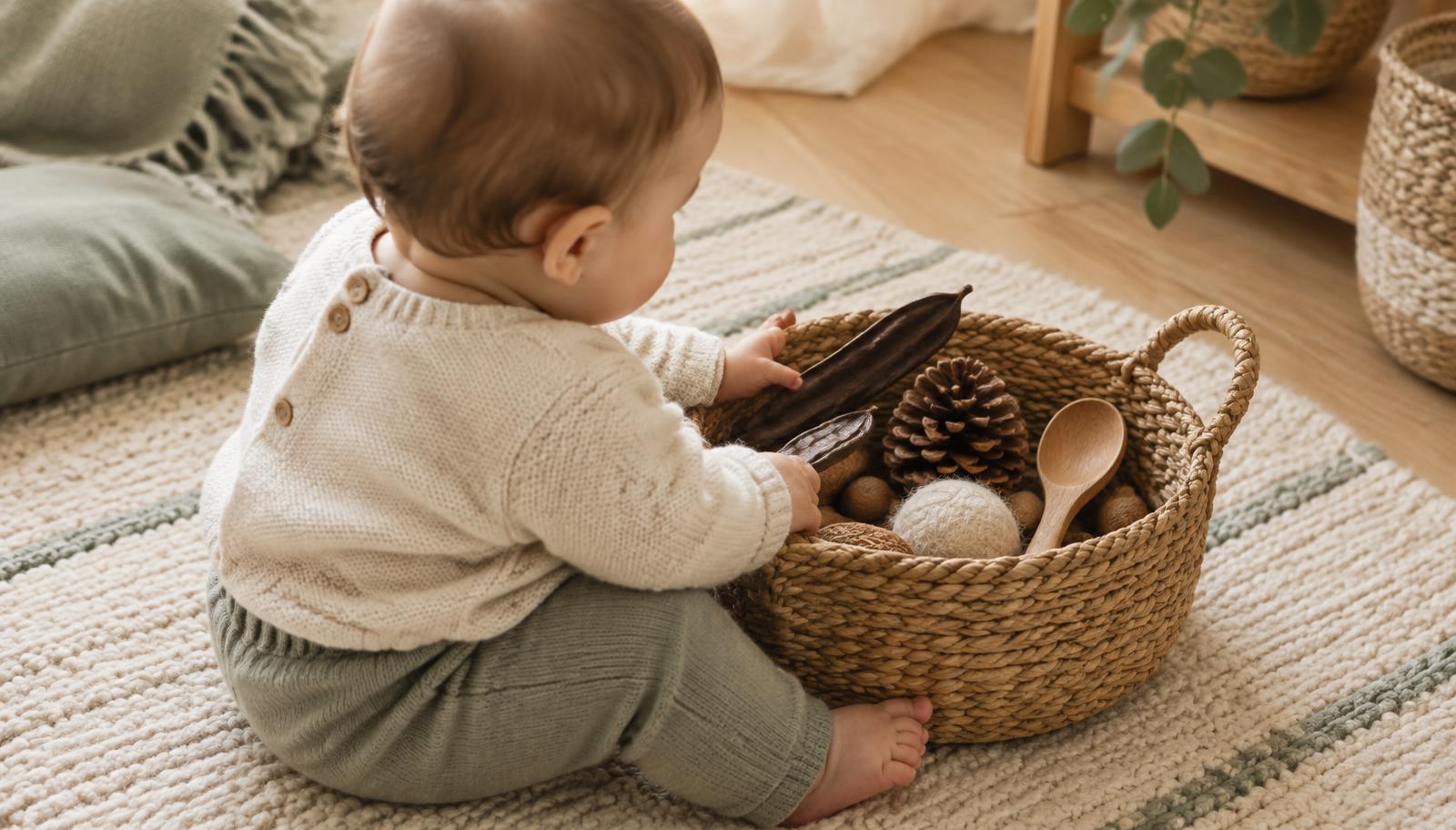
Keep the hour after pickup calm and simple. A snack, a cuddle, and quiet play with familiar toys. Avoid busy outings and screens in this time if you can. A basket of open-ended toys, a water tray on the balcony or a few books together help everyone reset. Our article on independent play has ideas for gentle, self-led play when you need to get dinner on.
Protect sleep
Starting childcare is tiring, and tired children find separation harder. A predictable evening routine with an earlier bedtime for the first few weeks can make a real difference. Our screen-free bedtime routine guide shares a simple wind-down.
Look after yourself, too
Returning to work after time at home with a baby is a big emotional change. It is normal to feel guilty, relieved, sad and excited all at once. Talk to other parents. Ask the carers for a photo or message during the first days if they offer one. Give yourself time.
A settling-in checklist
- Visit together before the first day
- Choose a small, labelled comfort object
- Agree a short goodbye ritual
- Start with shorter days if possible
- Read stories about nursery at home
- Keep evenings calm and bedtime early
- Talk to the carers often
When to seek advice
Most children settle within a few weeks. If your child is still very distressed after a longer period, or if you notice changes in eating, sleeping or behaviour that worry you, speak to the carers and your doctor. Every child is different, and some simply need a little more time.
Toys that travel well
If your child likes to carry a small object, choose something soft or wooden, small enough for a pocket but not small enough to be a choking risk. Our guides to the best toys for an 18 month old and Montessori-inspired toys for 0 to 18 months include ideas that work at home and as comfort objects. Little Curio is preparing its first collection for Maltese families, and you can preview the shop in the meantime.
More from the Journal: A Gentle Advent for Toddlers: Simple December Traditions in Malta, Carnival in Malta with Little Ones: Dressing Up and Simple Costumes.