Small World Play for 2 and 3 Year Olds: Encouraging Imagination at Home
A tray, a few wooden animals and a handful of nature: how to set up small worlds that spark big stories.
4 min read
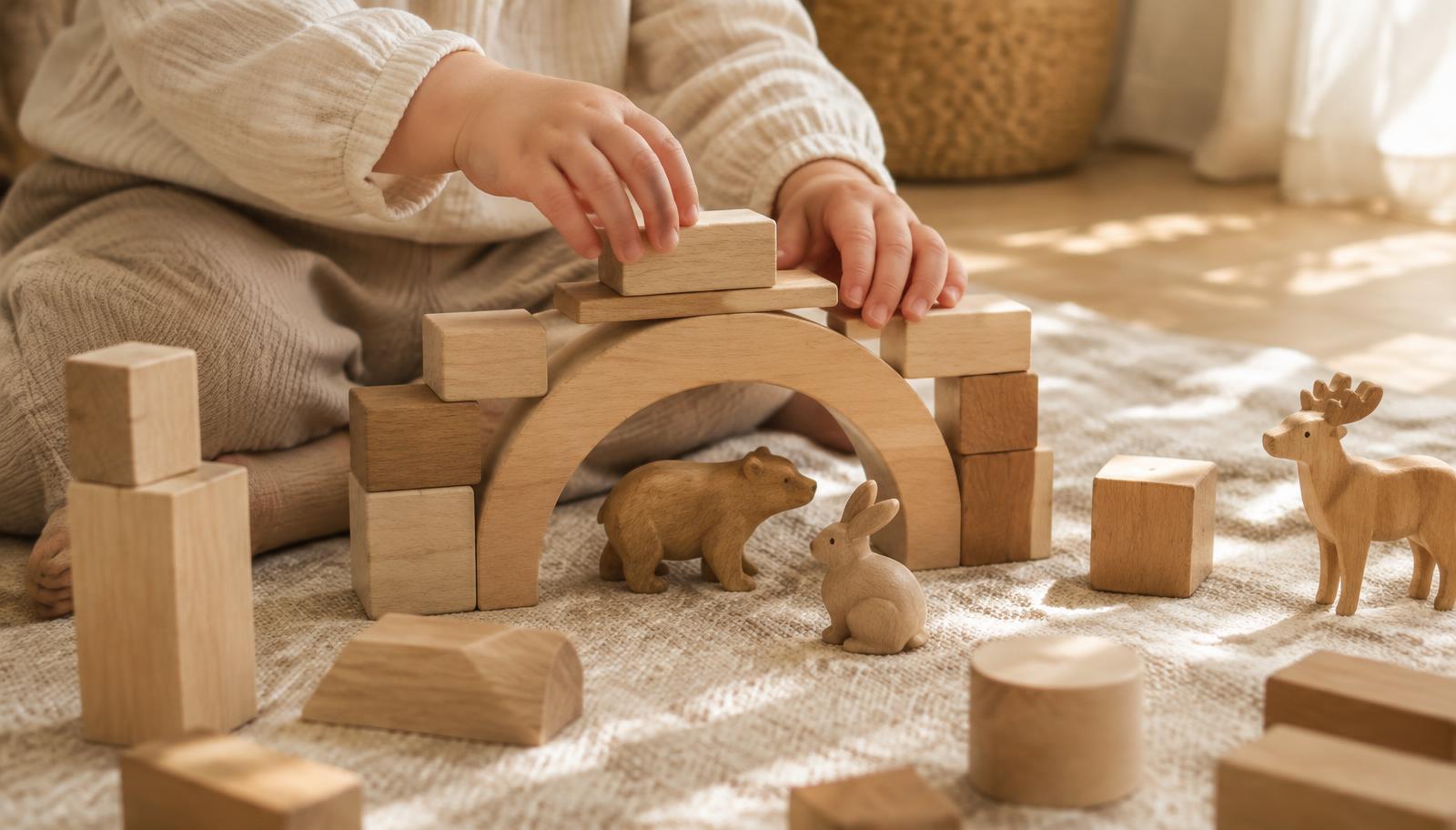
One of my favourite moments as a parent is overhearing a quiet conversation between a toddler and a wooden fox. The fox is hungry. The rabbit is hiding. The rainbow is a cave. This is small world play: children creating miniature worlds and telling stories within them. It is one of the richest forms of play for two and three year olds, and it is wonderfully simple to set up at home.
What is small world play?
Small world play is imaginative play using miniature figures and settings. A tray of sand with a few shells becomes a beach. A green cloth with wooden animals becomes a farm. A basket of stones and a blue silk becomes the sea. Children move the figures, invent stories, act out experiences and practise language. It grows naturally from open-ended play.
Why it matters
Small world play supports so much of a toddler's development. Language explodes as children narrate their stories. Social and emotional understanding grows as they act out feelings and situations: the baby animal misses its mummy, the bear is cross. Fine motor skills develop as they place and move small figures. And imagination, perhaps the most precious of all, is given space. We wrote more broadly about this in the quiet power of open-ended play.
What you need
Very little. A tray or shallow basket to define the space. A handful of figures: wooden animals, people or vehicles. Some natural materials for the landscape. And a little time. Our Forest Friends Set is a beautiful foundation, and our Little Landscape Rainbow adds hills, tunnels and bridges.
- A tray, basket or play mat
- Wooden animals or figures
- Natural materials such as stones, shells, pine cones, leaves
- Fabrics for water, grass or sky
- A rainbow or blocks for structures
Five small worlds to try
1. The woodland
A green or brown cloth, a few pine cones, some sticks and wooden forest animals. Add a rainbow arch for a den. Perfect for autumn and winter.
2. The Maltese seaside
A blue silk for the sea, a tray of sand or small pebbles for the beach, a few shells and a little wooden boat. Your toddler might recreate a day at Golden Bay or a luzzu bobbing in Marsaxlokk. Find more ideas in plastic-free seaside play.
3. The farm
A square of green fabric, small blocks for fences, and farm animals. Add a little bowl of dried lentils or oats for feeding.
4. Under the sea
A tray of water with large shells, smooth stones and wooden sea creatures. Always supervise water play closely.
5. Home
Small wooden people, a few blocks for furniture and fabric scraps for blankets. Toddlers love acting out bedtime, mealtimes and visits to nanna.
How to introduce it
Set up a simple scene, perhaps with just three animals and a few natural objects, and leave it on a low table or tray. When your child notices, sit beside them quietly. You might model a little: make the rabbit hop, or ask, 'Where is the fox going?' Then let them lead. Some children dive in immediately; others take time.
The smaller the world, the bigger the story.
Bringing nature in
Malta offers wonderful materials for small worlds: carob pods, olive leaves, smooth limestone, sea glass, shells, prickly pear flowers (with the spines carefully avoided). Collect them on walks in a Gathering Basket and your child will be connected to the landscape they live in. Our stroller walk guide has ideas for little explorers.
Linking to books
Small world play pairs beautifully with picture books. Read a story about a bear, then set up a bear's cave. Our book Stories from the Wood is lovely for this. See also creating a front-facing book nook.
Keeping it manageable
Small worlds work best when they are small. Keep the number of figures low and rotate themes every week or two. Store each theme in its own basket so it is easy to bring out and tidy away, an idea we explore in our toy rotation guide.
A thoughtful gift
Questions parents often ask
My child just tips everything out. Am I doing it wrong? Not at all. Tipping out and moving things around is part of the process, especially at two. Over time the stories grow. Should I join in? Sit close and show interest, but try to follow rather than lead. A simple question or a sound effect is often enough to spark an idea. What if my child is not interested yet? Try a theme connected to something they love, a recent trip to the beach, a favourite book or animal. Small world play often clicks when it reflects a child's own experience.
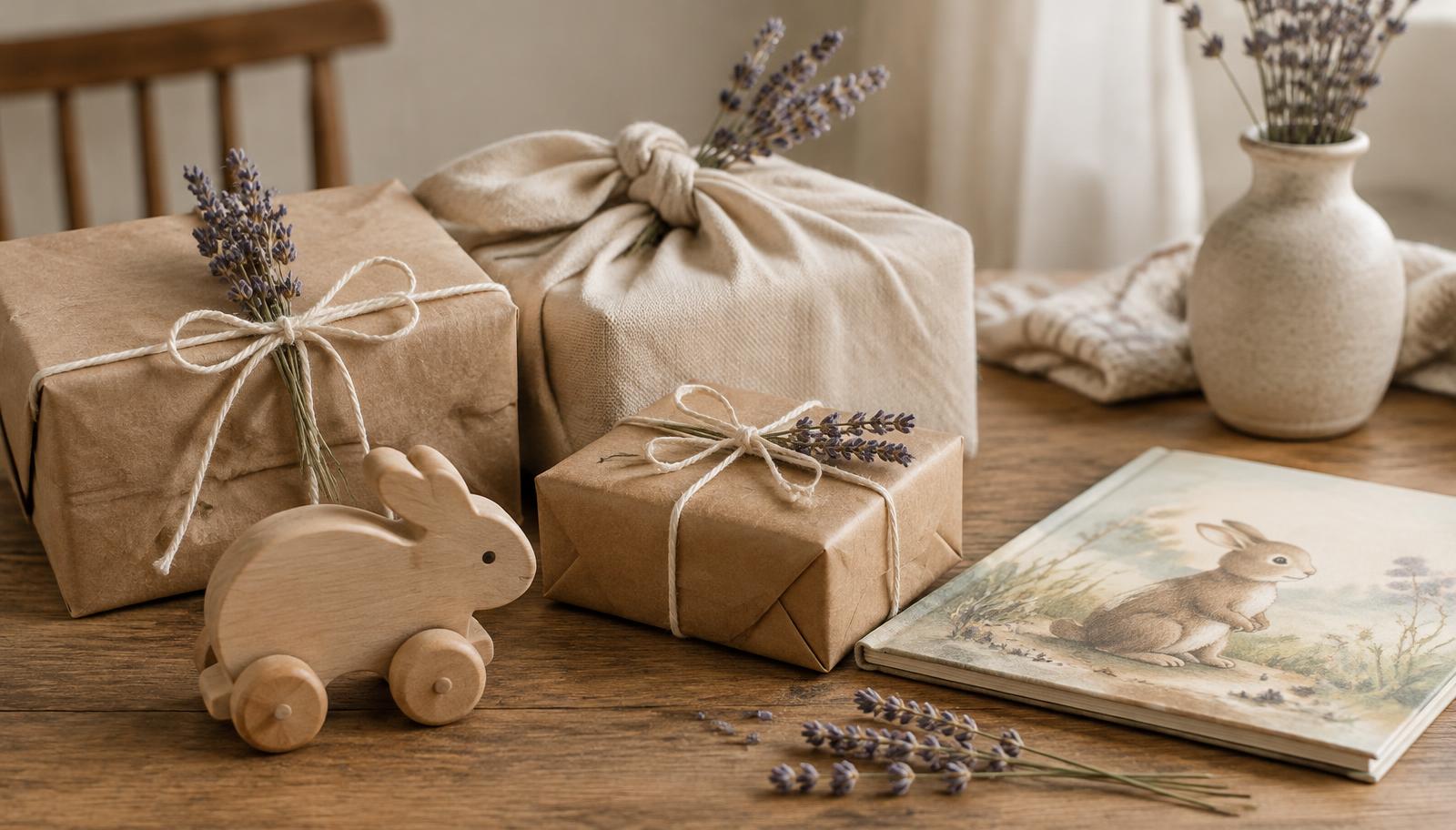
A set of wooden animals with a small basket and a handwritten note suggesting a small world is a beautiful gift for a second or third birthday. See our second birthday gift ideas and the Little Curio shop for pieces made for big imaginations.