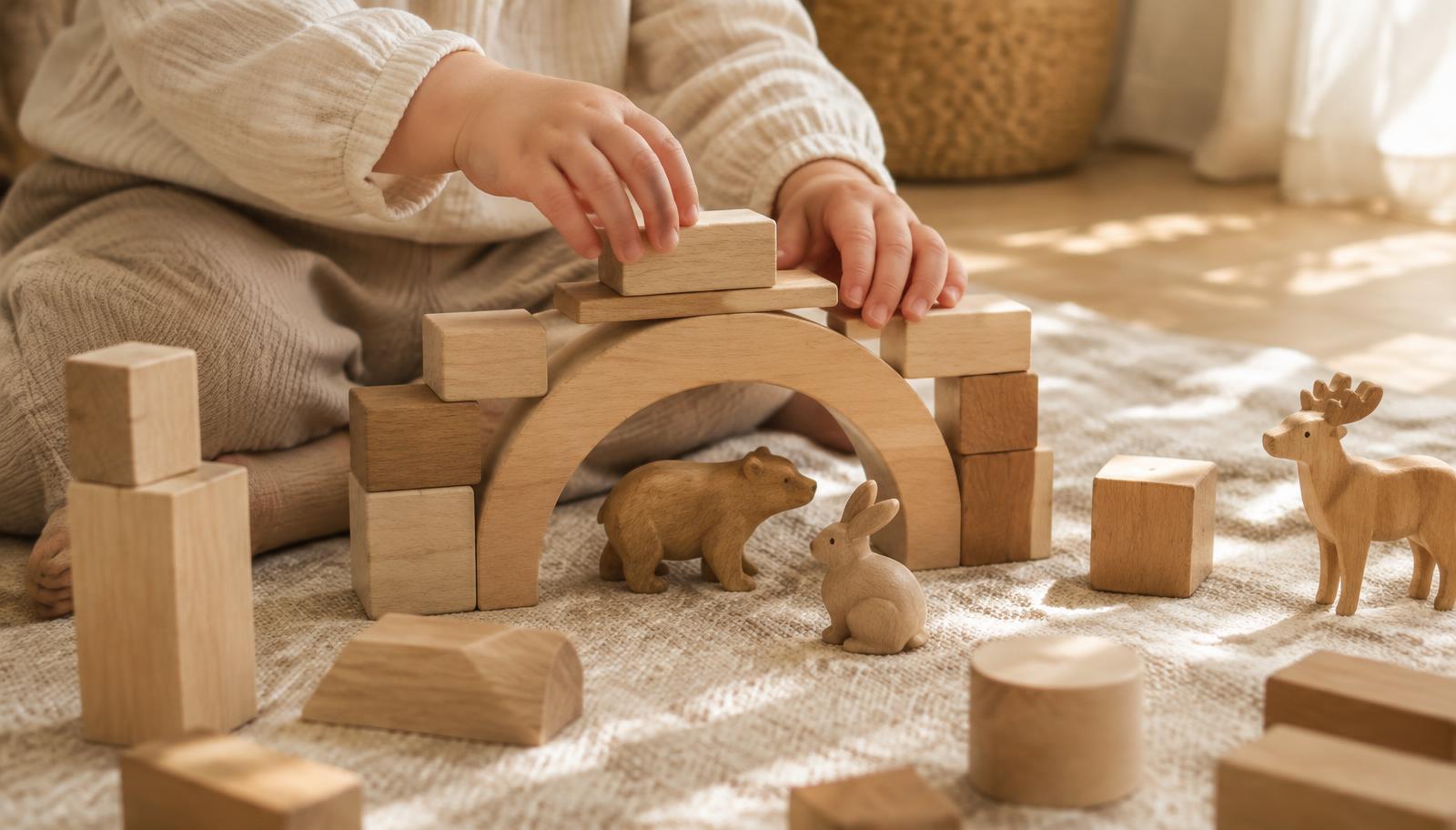
Toy Clutter in a Maltese Apartment: The Toy Rotation System That Works
Fewer toys out, deeper play, calmer rooms: the simple rotation system that transformed our small flat.
4 min read
Many families in Malta live in apartments. Whether you are in Sliema, Swieqi, Mosta or Marsaskala, space is precious, and toys have a way of taking over every corner. Baskets overflow, the living room becomes a playroom, and somehow, with all these toys, your child still says they are bored.
The answer, for us, was not more storage. It was toy rotation. This simple system transformed our small flat, and more importantly, transformed how our child played.
What is toy rotation?
Toy rotation means keeping only a small selection of toys out at any one time, and storing the rest out of sight. Every week or two, you swap some of them. Toys that have been away feel new again when they come back. Children play more deeply with fewer choices. And your home feels calmer.
Why it works
Too many toys overwhelm young children. Faced with forty options, a toddler often picks one up, drops it and moves on. With six or eight, they settle, explore and concentrate. This is a core idea in Montessori homes, which we explore in raising a Montessori baby in a modern Maltese flat. It also makes tidying far easier: when every toy has a place, children can help put things back.
Step 1: Gather everything
Collect every toy in your home into one place. Yes, all of them. It is often surprising how many there are.
Step 2: Sort and let go
Remove anything broken, missing pieces, or outgrown. Set aside toys that are rarely played with and could be donated or passed on. Be honest about toys that overstimulate or cause frustration. What remains are the toys worth keeping.
Step 3: Group into categories
Sort the remaining toys into broad categories: building (blocks, rainbows), imaginative (animals, figures, dolls), fine motor (puzzles, posting toys), art, books, movement and sensory. Our guide to open-ended toys for toddlers explains why building and imaginative toys tend to be the most valuable.
Step 4: Create rotation sets
Make three or four sets, each with one or two toys from each category. Each set should feel balanced: something to build with, something to imagine with, something for the hands, a few books.
- One building toy, such as blocks or a rainbow
- One imaginative toy, such as animals or figures
- One fine motor toy, such as a puzzle
- One art or sensory activity
- Three or four books
Step 5: Store the rest out of sight
This is where small apartments need creativity. Use the top of a wardrobe, under the bed, a high cupboard or a closed storage box. Cloth bags or labelled boxes for each set make swapping easy. The key is that stored toys are out of sight and out of reach.
Step 6: Display, do not dump
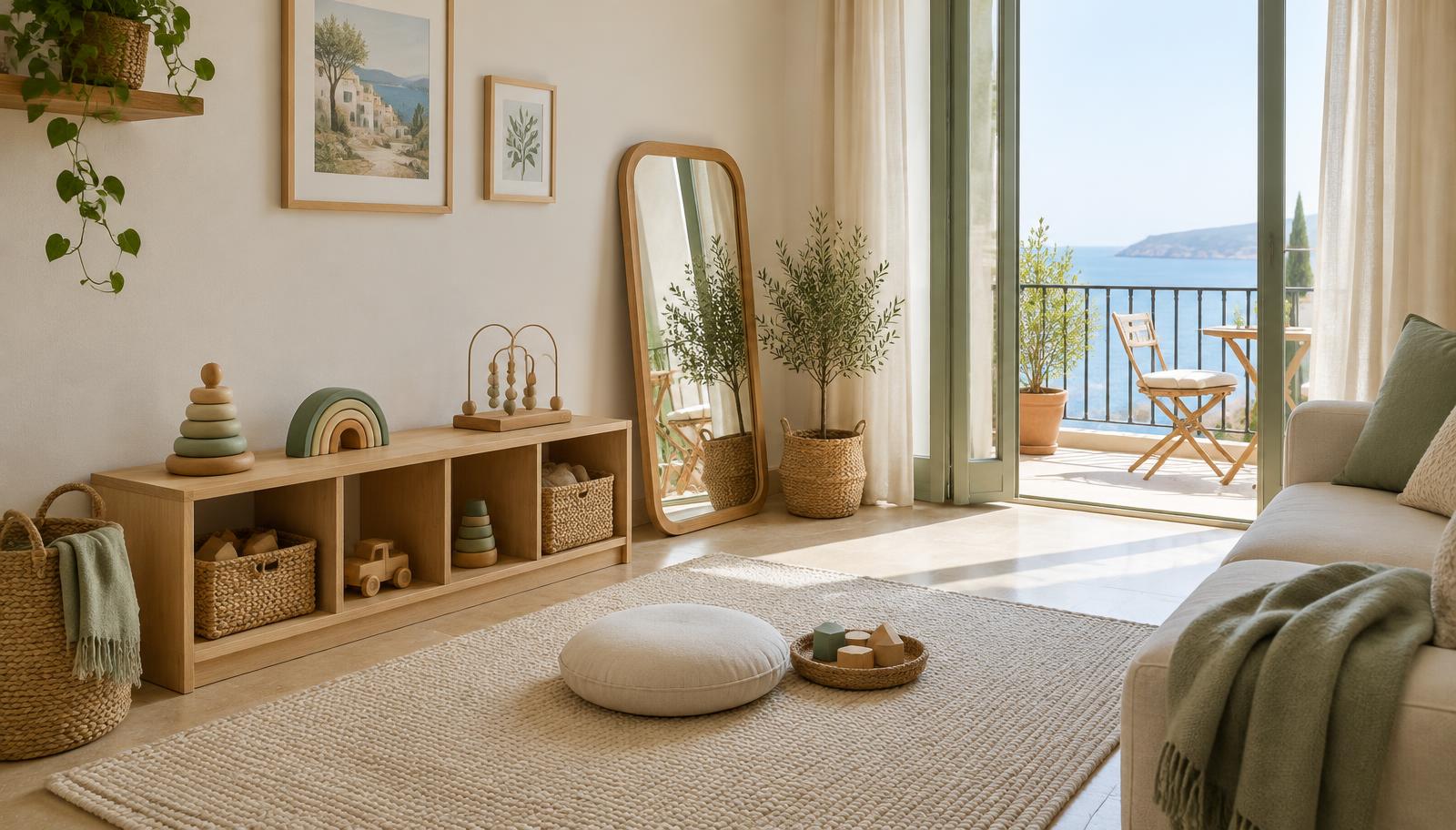
Arrange the current set on a low, open shelf at your child's height. Give each toy its own space. A tray or small basket for sets with pieces. This simple presentation makes toys more inviting and easier to tidy.
Step 7: Rotate
Every week or two, swap the set, or just a few items. Watch your child: keep out whatever is being played with deeply, and rotate what is being ignored. There is no fixed rule.
When we had fewer toys out, our child played more. It felt like magic, but it was simply space.
What stays out always
Some things can stay out permanently: a few favourite books in a front-facing book nook, a special comfort toy, and perhaps a basket of art materials. Everything else rotates.
Handling gifts
Birthdays and Christmas bring waves of new toys. Rather than putting everything out, add new gifts into your rotation gradually. This stretches the excitement over months and avoids overwhelm. Our guides to first Christmas gifts and second birthday gift ideas include tips for guiding relatives.
Choosing toys worth rotating
Rotation works best with open-ended, well-made toys that can be played with in many ways. A rainbow, blocks, carved animals and a treasure basket will come back again and again. Our guide to wooden toys in Malta and wooden vs plastic toys explain why we favour these.
Rotation for babies
Babies benefit too. A treasure basket with objects swapped weekly, or two or three toys on a low shelf, is all they need. See our treasure basket guide.
A calmer home
Questions parents often ask
What if my child asks for a toy that is stored away? Simply bring it out and swap something else back. Rotation is a guide, not a rule. How often should I rotate? Every one to two weeks suits most families, but follow your child. Does this work with siblings? Yes. Create a shared shelf for common toys and a small personal basket for each child. The older sibling can even help choose what goes out next, which they usually love. And what about grandparents' houses? Many Maltese families keep a small basket of toys at nanna's, which is a rotation in itself.
Toy rotation is not about being strict or minimalist for its own sake. It is about giving your child the space to play well, and giving yourself a home that feels like yours again. Start this weekend with one shelf. And when you are ready to add a few toys worth keeping, explore the Little Curio collection.