How to Clean and Care for Wooden Toys in Malta's Humid Climate
Wooden toys last for generations with a little care. Here is how to clean, dry and protect them, even in Maltese humidity.
4 min read
One of the joys of wooden toys is that they can last for years, passed from child to child and even generation to generation. But wood is a natural material, and it needs a little care. In Malta, where humidity can be high, sea air is salty and summers are hot, that care matters even more.
The good news is that looking after wooden toys is simple. A cloth, mild soap, a little vinegar and occasional oiling are usually all you need. Here is how we clean and care for our own. Always follow any specific instructions from the toy's maker.
The golden rule: never soak
Wood absorbs water. If a wooden toy is soaked or put through a dishwasher, it can swell, crack, warp or lose its finish. Glued pieces may come apart. Paint can lift. Always wipe wooden toys rather than submerging them.
Everyday cleaning
For regular cleaning, wipe the toy with a soft cloth dampened with warm water and a drop of mild, unscented soap. Then wipe again with a cloth dampened in clean water. Dry immediately with a clean towel. This is enough for most toys, most of the time.
A natural vinegar wipe
For a deeper clean, many families use a mix of white vinegar and water. A common ratio is about one part vinegar to four parts water. Dampen a cloth, wipe the toy, then wipe with clean water and dry. The vinegar smell fades as it dries.
Avoid harsh chemical cleaners and bleach, which can damage wood and finishes and leave residue on toys babies mouth.
Drying properly
Drying is as important as cleaning, especially in Malta. After wiping, dry the toy thoroughly with a towel and then let it air dry somewhere with good airflow, away from direct sun and heaters. Strong sun can fade colours and cause cracking. A shaded spot near an open window is ideal.
Dealing with humidity
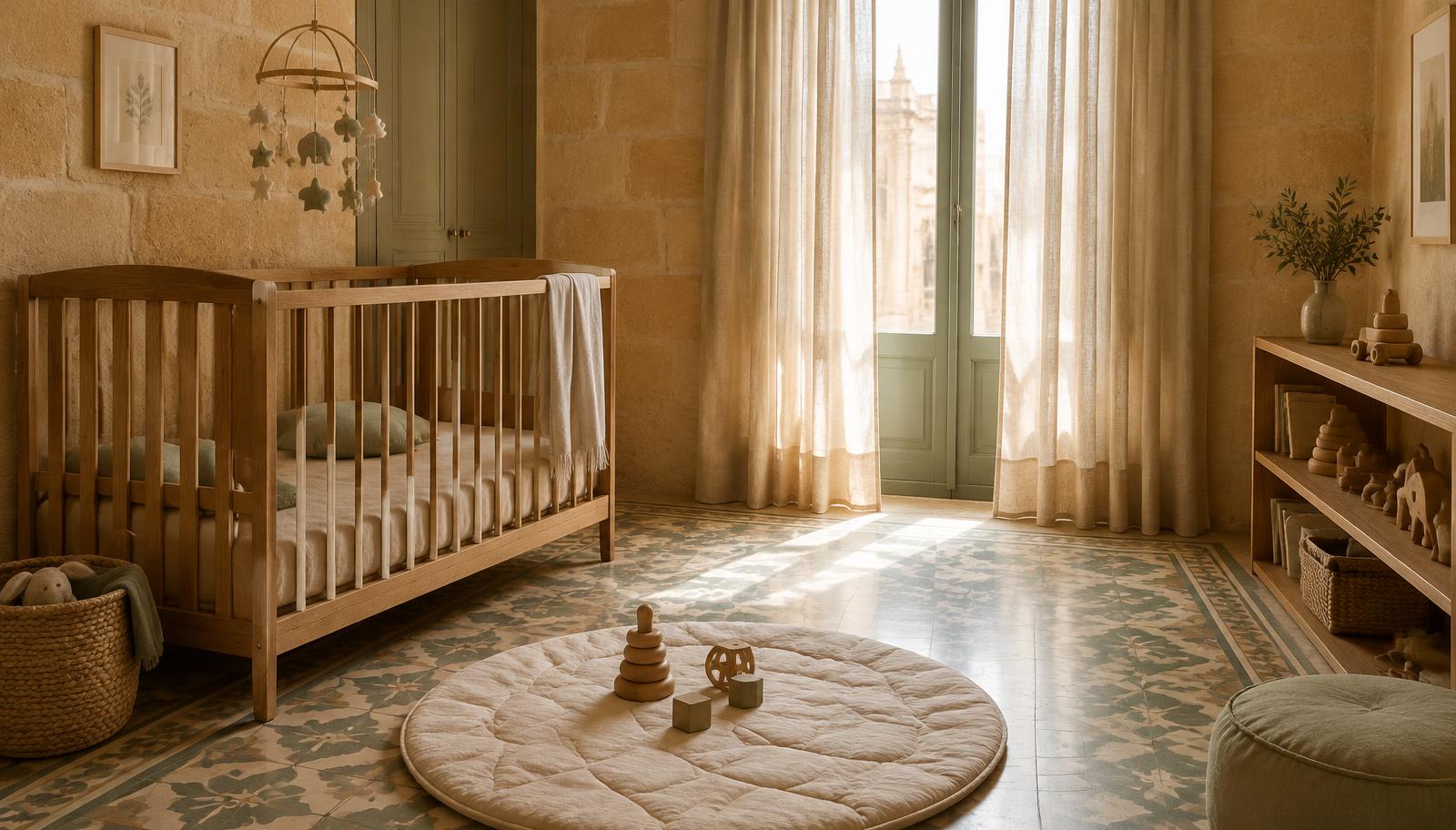
Malta's humidity can be high, especially in winter and in older stone homes. Wood can absorb moisture from the air, and toys stored in damp places can develop mould. Keep toys in a dry, ventilated room. Avoid closed plastic boxes, which trap moisture. Open baskets, cotton bags and wooden shelves allow air to circulate. A dehumidifier in damp rooms helps protect toys and the rest of your home. Our natural toy storage guide has ideas.
If you spot mould
If you notice small spots of mould, wipe the toy with a vinegar solution, dry it well and leave it in a well-ventilated place. If mould keeps returning, has spread into the wood or the toy is one your baby mouths a lot, it is safest to retire it.
Sea air and beach toys
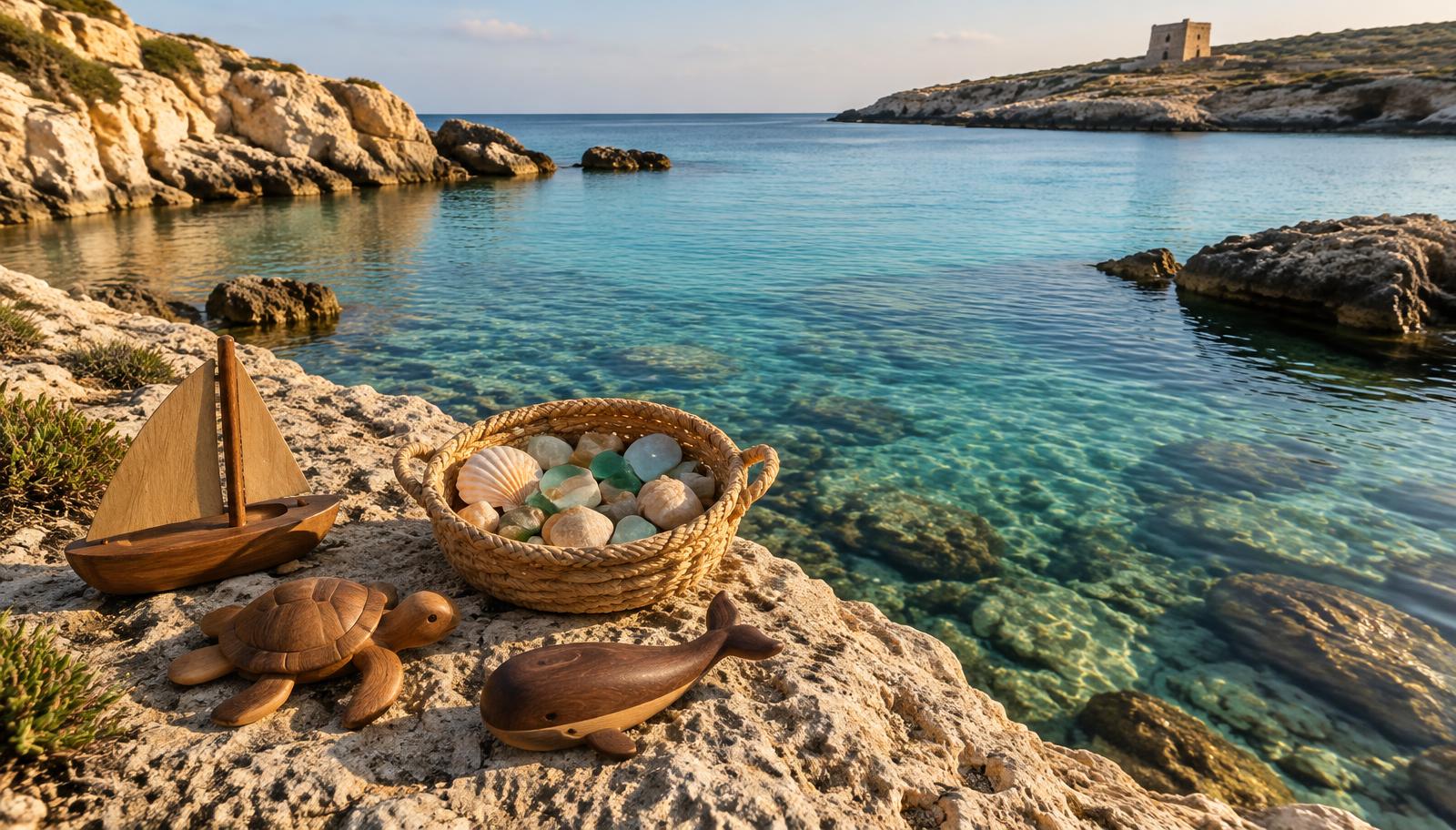
Salt and sand are tough on wood. After a day at the beach, rinse wooden toys quickly in fresh water, never soaking, and dry them well. For beach play, metal buckets and natural rubber toys often cope better, as we explain in plastic-free beach play.
Conditioning with oil or wax
Over time, unpainted wooden toys can become dry, rough or pale. A little conditioning brings them back to life. Many families use a food-safe oil or a beeswax-based wood balm. Rub a small amount into the wood with a soft cloth, leave it to soak in, then buff off any excess. Do this every few months, or when the wood looks dry.
Use this only on unpainted, unfinished or oiled wood. Painted surfaces do not need it.
Fixing rough patches
If a toy develops a rough spot or tiny splinter, you can gently smooth it with fine sandpaper, then wipe and condition it. If there is a deep crack or a loose part, retire the toy to keep little ones safe.
Cleaning after illness
After a cold or tummy bug, you might want to clean toys more thoroughly. Wipe with the vinegar solution, dry well and let the toys rest in a sunny but not hot spot for a short while. For specific health advice, speak to your doctor.
A simple care routine
- Wipe with damp cloth and mild soap as needed
- Vinegar wipe for a deeper clean
- Dry immediately and air dry in shade
- Store in open, ventilated baskets
- Condition with oil or balm every few months
- Check for cracks and splinters
Why it is worth it
Caring for wooden toys is part of what makes them special. It teaches children that things are worth looking after. And a well-cared-for wooden toy can be handed to a younger sibling or cousin, or saved for the next generation. Our article on wooden toys in Malta explains why we think they are worth it.
For more about what to look for in safe, natural toys, read why natural wood and minimally dyed toys matter. Little Curio is preparing a small collection of plastic-free toys for families in Malta, and you can preview the shop as we get ready.
More from the Journal: Raising a Bilingual Toddler in Malta: Play Ideas in Maltese and English, Summer Outdoor Play in Malta: Water, Shade and Early Mornings.