Raising a Bilingual Toddler in Malta: Play Ideas in Maltese and English
Many Maltese children grow up hearing two or more languages. Play is one of the easiest ways to keep every language alive at home.
4 min read
Malta has two official languages, Maltese and English, and many children here grow up hearing both. Some families also speak Italian, Arabic, Serbian, Filipino, Hindi or many other languages at home. For a small child, this is a wonderful gift: the chance to grow up with more than one language as a natural part of life.
Parents often wonder how to support more than one language without it feeling like hard work. The good news is that play, songs, books and everyday conversation do most of the work. This guide offers practical ideas. It is not a substitute for professional advice, and if you have concerns about your child's language, speak to your doctor or a speech and language therapist.
Bilingual children are not confused
A common worry is that hearing two languages will confuse a child or delay their speech. Many specialists say that children are well able to learn more than one language from birth. Bilingual children may sometimes mix words from both languages, and that is a normal part of learning. Their total vocabulary across languages is often similar to that of children learning one language.
Choose an approach that suits your family
Families use different approaches. In some, each parent speaks their own language to the child. In others, one language is used at home and another outside. Many Maltese families switch naturally between Maltese and English throughout the day. There is no single right way. What matters is that the child hears each language often, in warm, meaningful situations.
Songs and rhymes in both languages
Songs are one of the easiest ways to share a language. Sing the Maltese songs and rhymes you grew up with, alongside English nursery rhymes. Grandparents are often a treasure trove of traditional songs and sayings. Ask them to sing to your child, or record them so you can learn them too.
Books in every home language
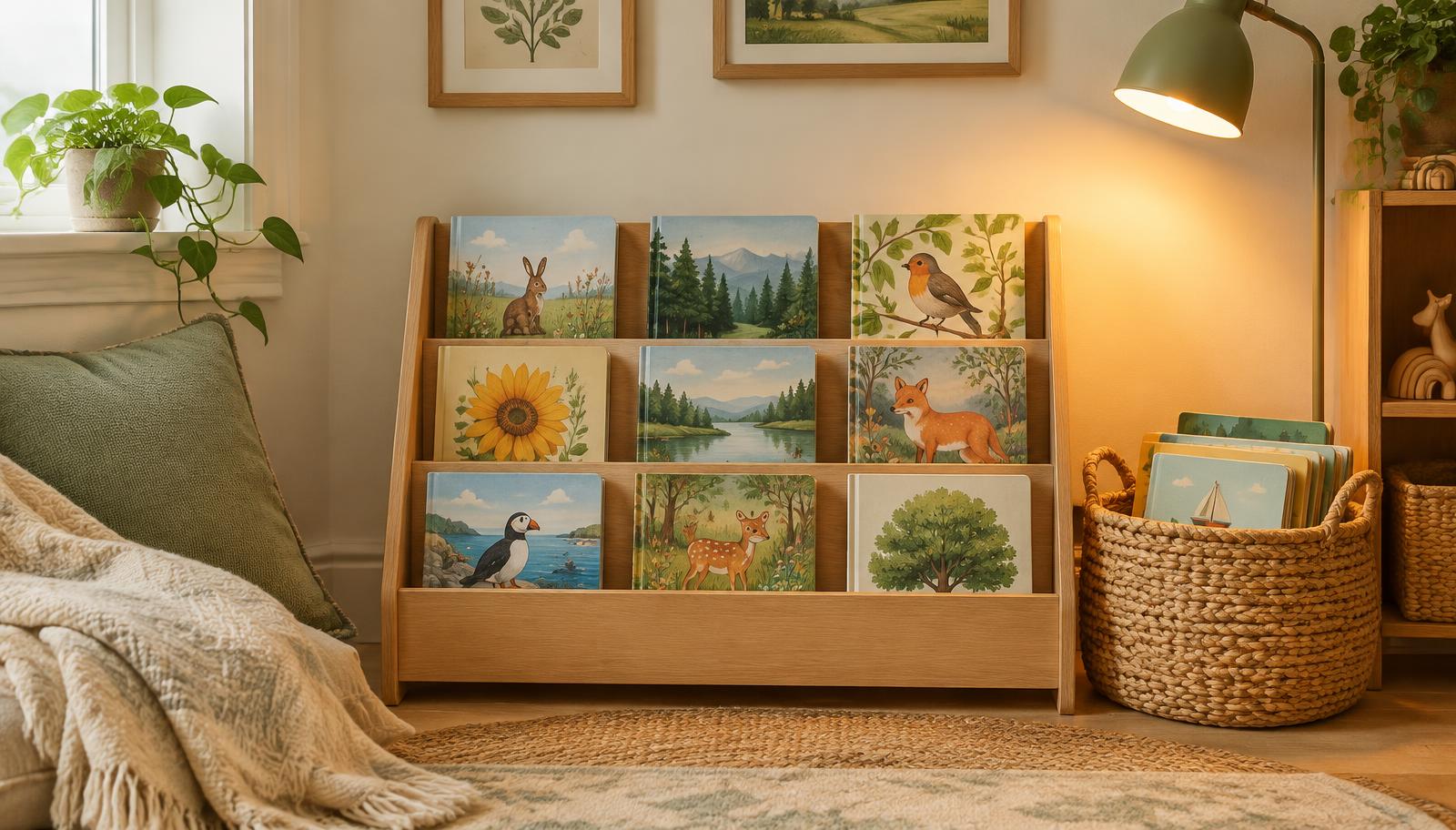
Read books in each of your home languages. Our guide to choosing first board books has tips for picking good ones. Local libraries and bookshops can help you find children's books in Maltese. You can also simply tell the story of a picture book in Maltese, even if the words are written in English.
Play in one language at a time
Some families find it helps to link a language with a particular activity. Cooking with Nanna might always happen in Maltese. Bedtime stories might be in English. Bath time songs might be in another language. Children often enjoy these patterns, and they give every language its own special place.
Naming things during play
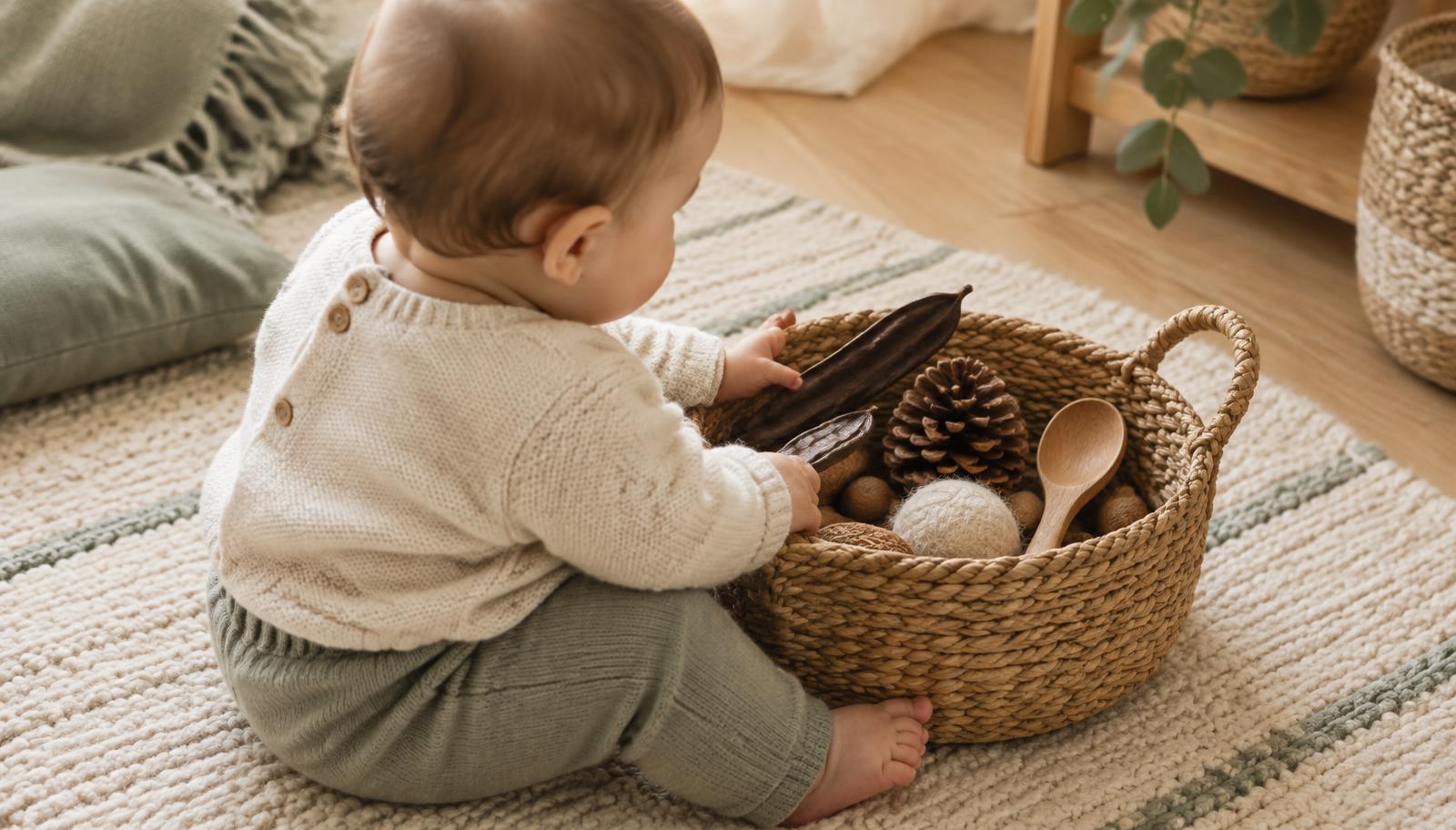
When you play together, name objects, colours, animals and actions in the language you are using. Simple toys work beautifully for this. A basket of wooden animal figures can become a game of naming in both languages: qattus and cat, kelb and dog. Sorting and matching games also invite lots of naming.
Pretend play
Pretend play is a natural place for language. A pretend shop might be run in Maltese one day and in English the next. A toy kitchen can serve imaginary pastizzi or pasta. Our article on pretend play for toddlers has ideas for setting up simple scenes.
Grandparents and family
In Malta, grandparents and extended family often play a big role in children's lives, and they may speak a different language or dialect from the parents. Time with grandparents is a wonderful chance for children to hear Maltese spoken richly. Our guide to a play basket for Nanna's house suggests ways to make those visits playful.
Everyday outings
Markets, bakeries, festas, buses and beaches are all full of language. Chat to your child about what you see. Our articles on Maltese festa season and nature play in Malta's parks suggest outings with plenty to talk about.
Keep it relaxed
Try not to turn languages into a test. Avoid asking a child to repeat words or correcting them often. Instead, simply model the word naturally. If your child answers in English when you speak Maltese, carry on in Maltese without pressure. Children often understand far more than they say, especially in their less used language.
Starting childcare and kindergarten
When children start childcare or kindergarten, they may hear one language more than another. That is normal. Keep the other language strong at home through books, songs and play. Our guides to starting childcare in Malta and getting ready for kindergarten have more on these transitions.
Simple daily habits
- A song in each language every day
- A bedtime story in a home language
- Naming things during play
- Time with family who speak each language
- Books displayed in every language you use
Little Curio is curating simple, plastic-free toys and books that suit play in any language; see what is coming. For more on early language, see talking through play.