Fine Motor Skills Before Preschool: Wooden Toys That Build Hand Strength
Before they hold a pencil, little hands need lots of practice. These simple toys and activities build fine motor skills through play.
4 min read
Fine motor skills are the small, precise movements of the hands and fingers. They let children pick up a raisin, turn a page, hold a spoon, do up a button and, eventually, hold a pencil. They develop gradually through the early years, mostly through ordinary play.
Many parents in Malta start to think about these skills as kindergarten approaches. The good news is that you do not need worksheets or special programmes. Simple toys and everyday activities give little hands all the practice they need. Every child develops at their own pace, so use this as inspiration, not a checklist, and speak to your doctor or health visitor if you have concerns.
What fine motor skills include
Fine motor development covers several things: grasping and releasing, the pincer grasp between thumb and finger, hand strength, using both hands together, wrist rotation and hand-eye coordination. They build on each other, and they all grow through play.
In the first year
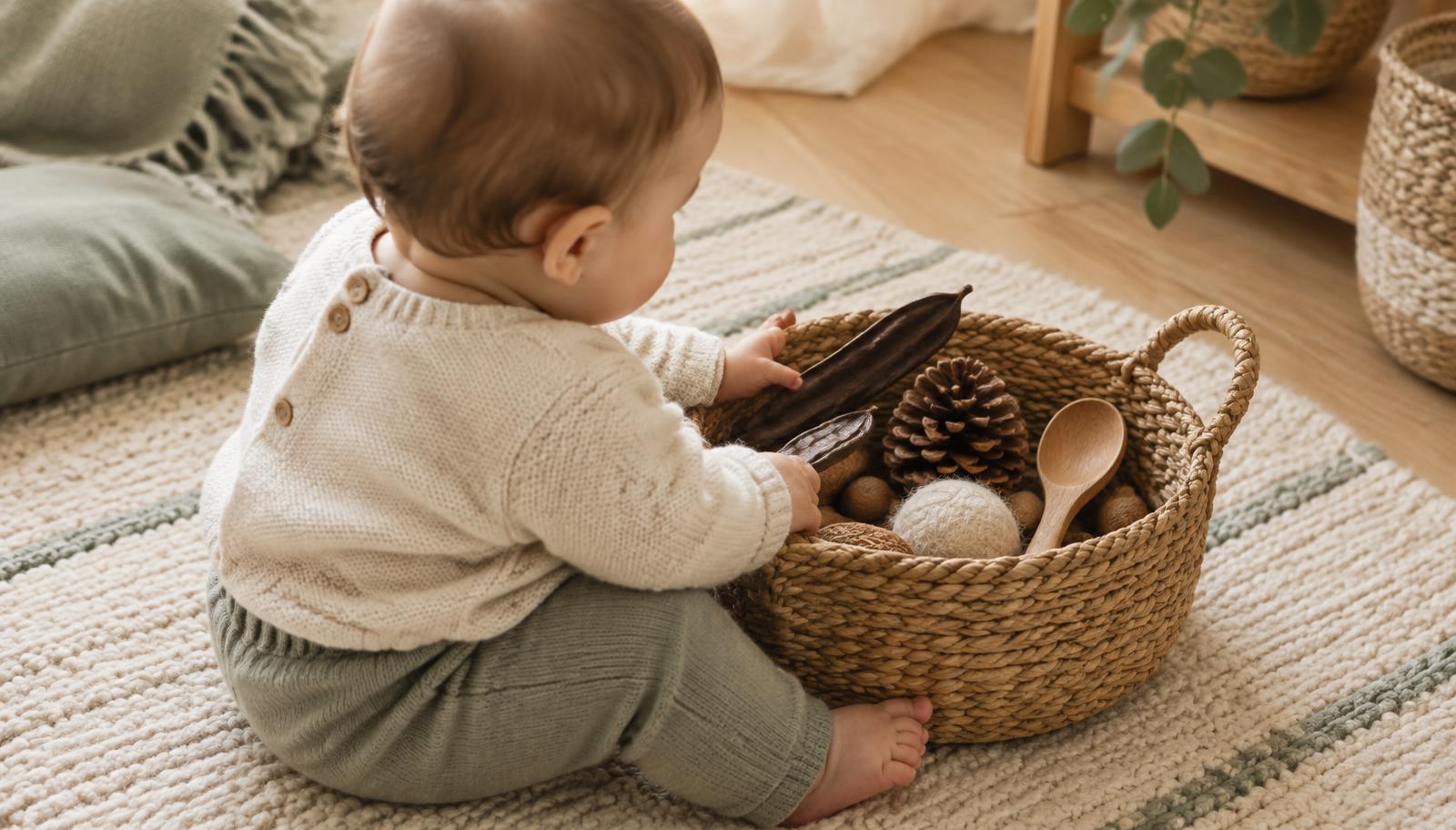
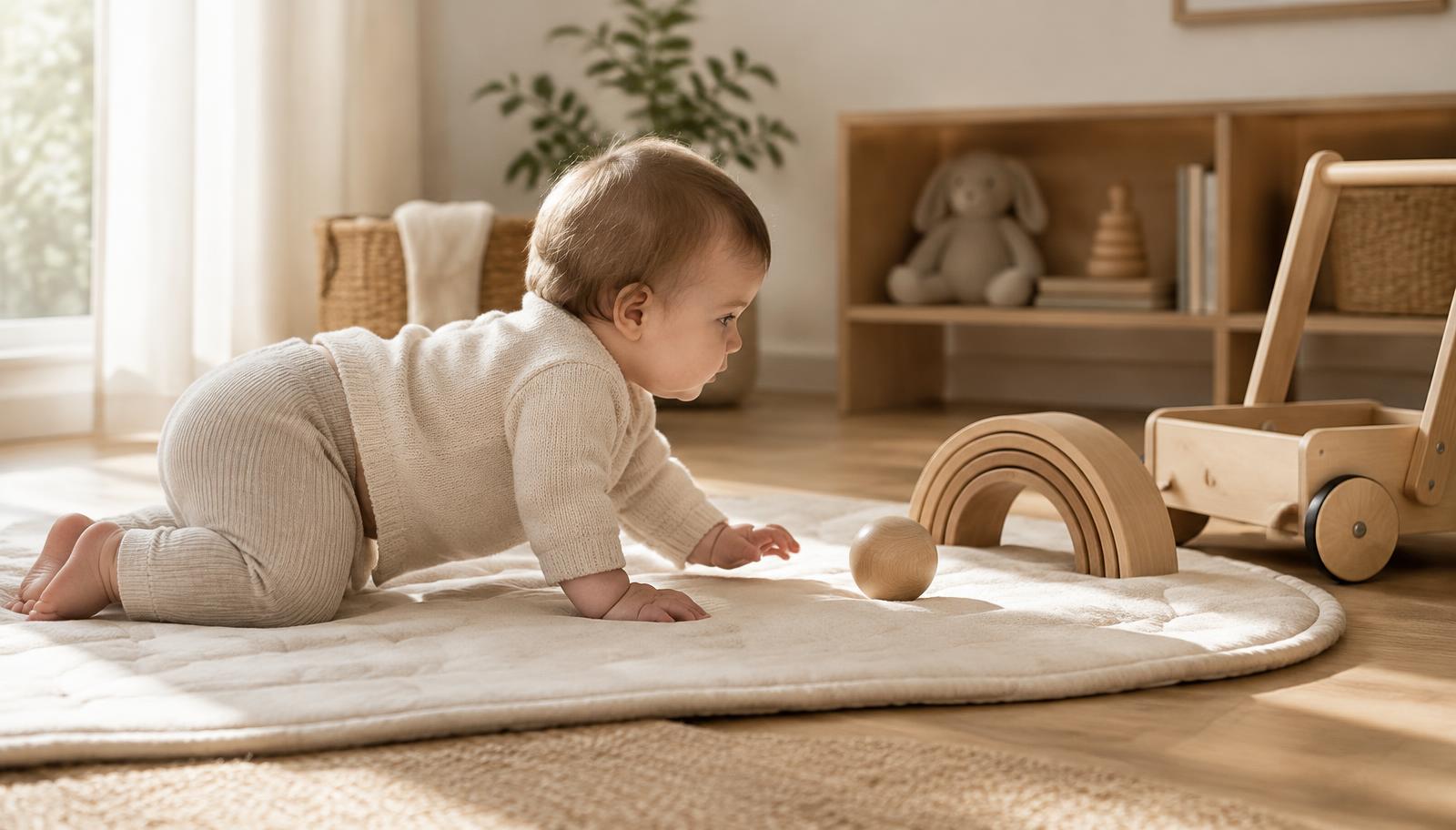
Babies begin by grasping reflexively, then reaching, holding and passing objects from hand to hand. Toys that are easy to hold are perfect: a wooden ring, a rattle, a soft ball. Towards the end of the first year, the pincer grasp develops, and babies love picking up small pieces of food. Our guides to the best toys for a 6 month old and 9 month old include ideas for this stage.
Posting and dropping
Posting toys, where a shape or coin goes through a slot, are wonderful for young toddlers. They require aiming, grip and release. A simple wooden posting box is ideal. You can also make one from a container with a slot cut in the lid and a few large wooden discs.
Stacking and building
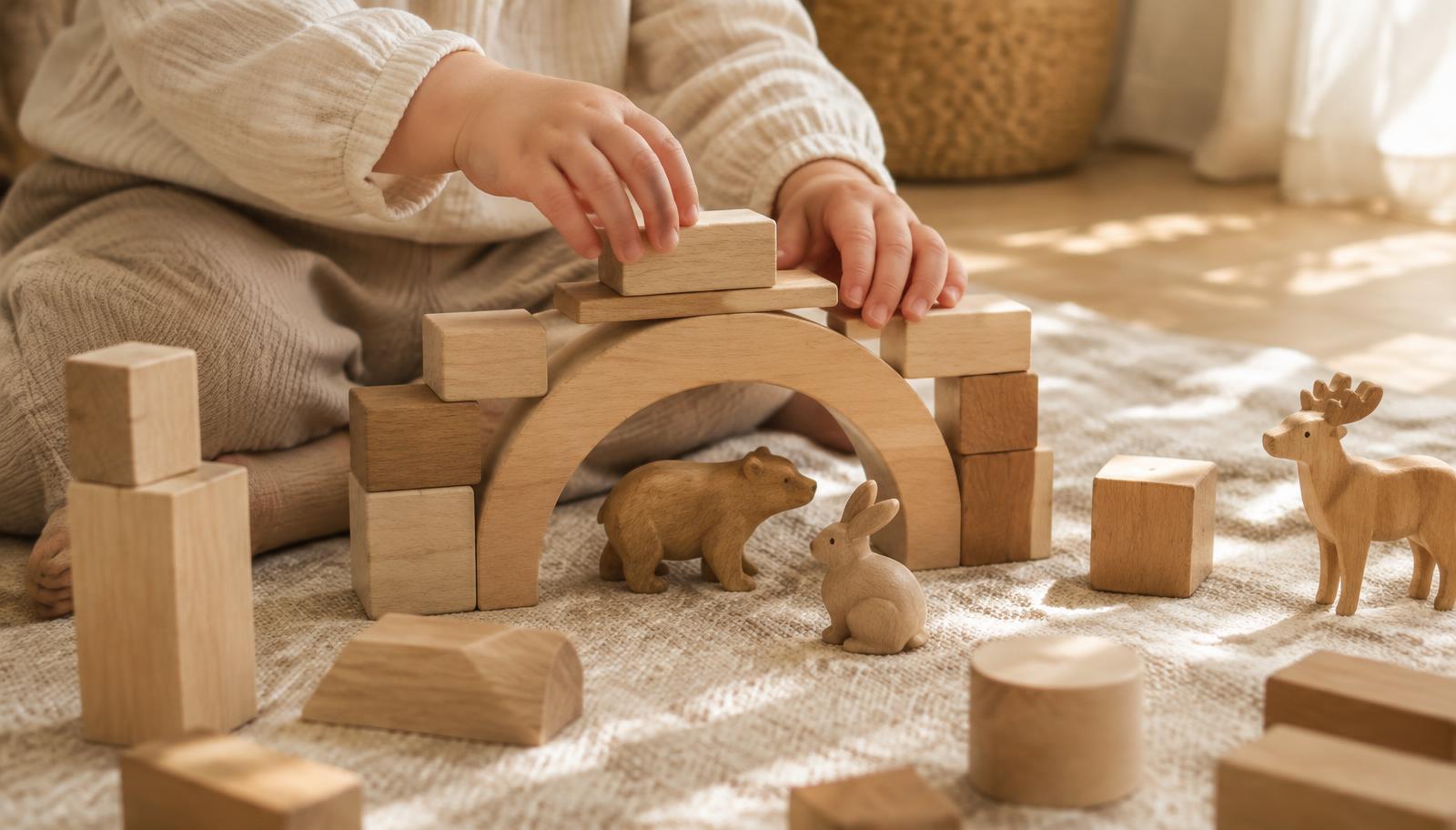
Stacking cups, rings and blocks build coordination and control. At first, a toddler might stack two blocks. Over months, the towers grow taller and steadier. Placing a block gently on top of another takes real precision.
Threading and lacing
Threading is one of the best fine motor activities for toddlers. Start with large wooden beads on a stiff cord or a thick wooden lacing toy. As skills develop, move to smaller beads and softer laces, always with supervision. Lacing cards are great for travel, too, as we mention in our Malta to Gozo travel guide.
Puzzles
Knob puzzles encourage a pincer grip. Chunky puzzles help younger toddlers, while smaller knobs offer more challenge. Later, jigsaw puzzles develop rotation and careful placement.
Practical life activities
Some of the best fine motor practice happens in everyday tasks. Toddlers love to help, and real tasks feel meaningful.
- Pouring water from a small jug
- Spooning dry pasta from one bowl to another
- Peeling a banana or a clementine
- Tearing lettuce for a salad
- Wiping the table with a cloth
- Opening and closing containers
- Putting pegs on the edge of a basket
Art and mark making
Crayons, chalk, paint brushes and playdough all strengthen hands. Thick beeswax crayons are easy for little fists to hold. Squeezing, rolling and pinching playdough builds strength in the fingers. Tearing paper for a collage is great practice. Our toddler art guide has low-mess ideas for small flats.
Loose parts
Picking up shells, stones, corks and wooden rings and placing them in a tin or a line is wonderful practice. Use a muffin tin for sorting, or tongs for older toddlers. Our loose parts play guide has simple setups.
Why not plastic grips?
Many toys for young children have chunky plastic handles designed to make them easier to hold. Sometimes that is useful. But natural materials like wood offer more varied weights and textures, giving hands richer feedback. A wooden block has heft. A smooth bead has a particular feel. These small sensory differences help children refine their movements.
Keep it playful
Fine motor skills grow best through play, not pressure. If your child is frustrated, offer something easier, or put the activity away for another day. Celebrate effort, not perfection. And remember that gross motor play, like climbing, crawling and pushing, also builds the shoulder and arm strength that fine motor skills rely on.
A fine motor shelf at a glance
- A posting box
- Stacking rings
- Large beads and a lace
- A knob puzzle
- Playdough and a rolling pin
- Beeswax crayons
- A small jug for pouring
Ready for preschool
By the time children start kindergarten, many can hold a crayon, turn pages, use a spoon and manage simple fastenings. These skills come from thousands of small moments of play. For more ideas at different ages, see our best toys for an 18 month old and second birthday gift ideas. Little Curio is a small shop for families in Malta, and you can preview the shop as we prepare our first collection.
More from the Journal: A Parent's Guide to Wooden Building Blocks: Which Sets, How Many and Why, Ways to Play with a Wooden Rainbow: 15 Ideas Beyond Stacking.