The Afternoon Siesta Window: Quiet Time Activities for Hot Summer Hours
When the midday heat keeps everyone indoors and the nap has gone, quiet time can save the afternoon for children and parents alike.
4 min read
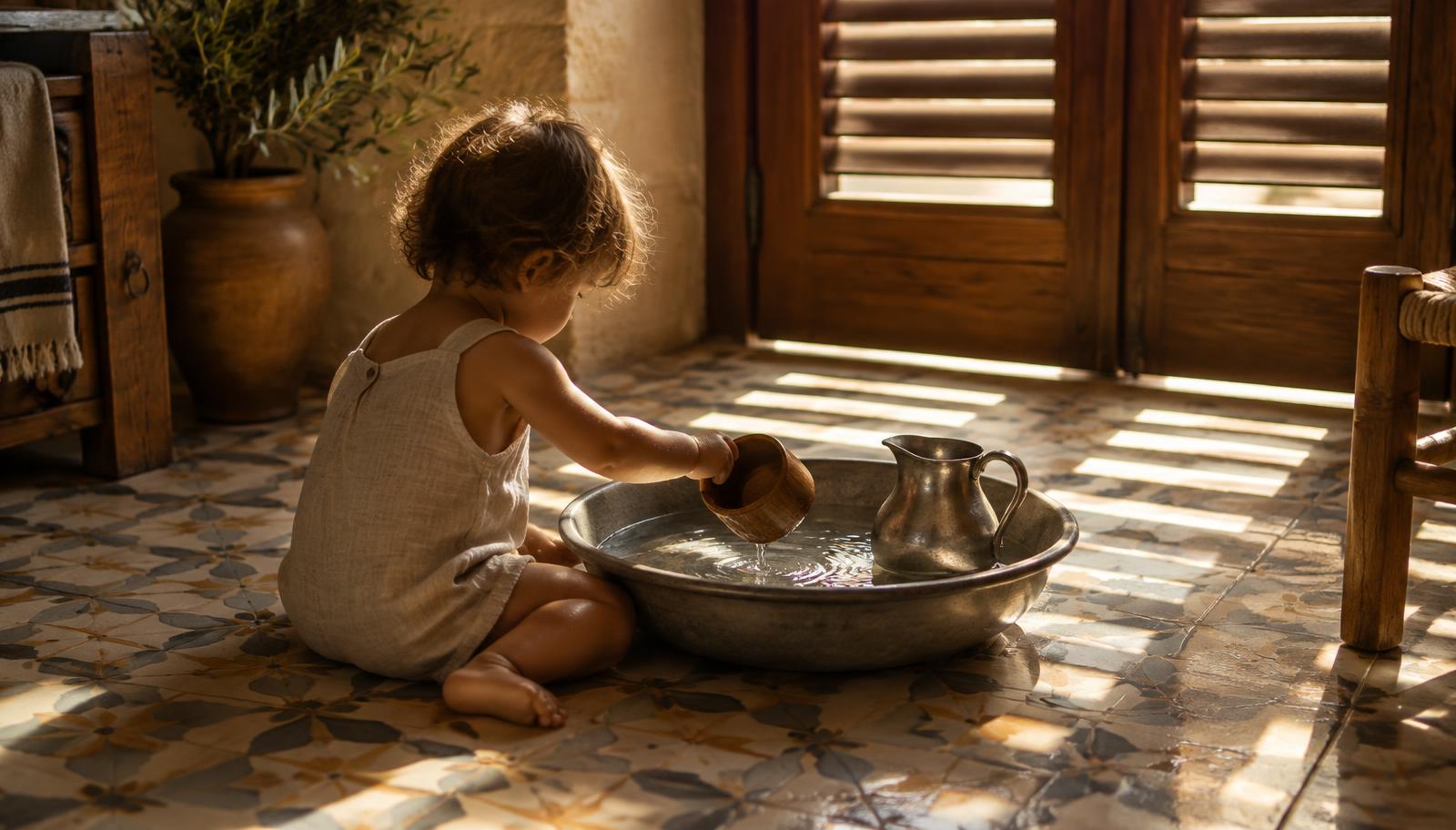
In the height of a Maltese summer, the early afternoon can be fierce. Streets go quiet, shutters close and many families retreat indoors until the heat eases. For babies and young toddlers, this is often nap time. But somewhere between two and four years, many children drop their afternoon sleep, and suddenly the hottest part of the day stretches out with no plan.
Quiet time is a simple answer. It is a regular period, often after lunch, when children rest or play calmly on their own or close by. It gives them a chance to recharge, and it gives parents a breather too.
What quiet time is, and is not
Quiet time is not a punishment, and it is not about forcing a child to sleep. It is a predictable, calm part of the day. Some children lie on a bed with books. Others play quietly on the floor of their room. Some still fall asleep, and that is fine.
Start small. Ten or fifteen minutes is a good beginning for a young toddler. Over time, many children happily manage longer.
Setting the scene
Close the shutters or curtains to keep the room cool and soft. A fan or air conditioning set at a comfortable temperature helps. Lay out a blanket or a few cushions. Put soft music or an audio story on if your child enjoys it. The aim is a calm, cool, low-stimulation space.
Our article on keeping baby cool in a Maltese summer has more on managing the heat indoors.
A quiet time basket
Many families keep a special basket or box that only comes out at quiet time. This makes it feel inviting. Rotate the contents every week or two so it stays interesting.
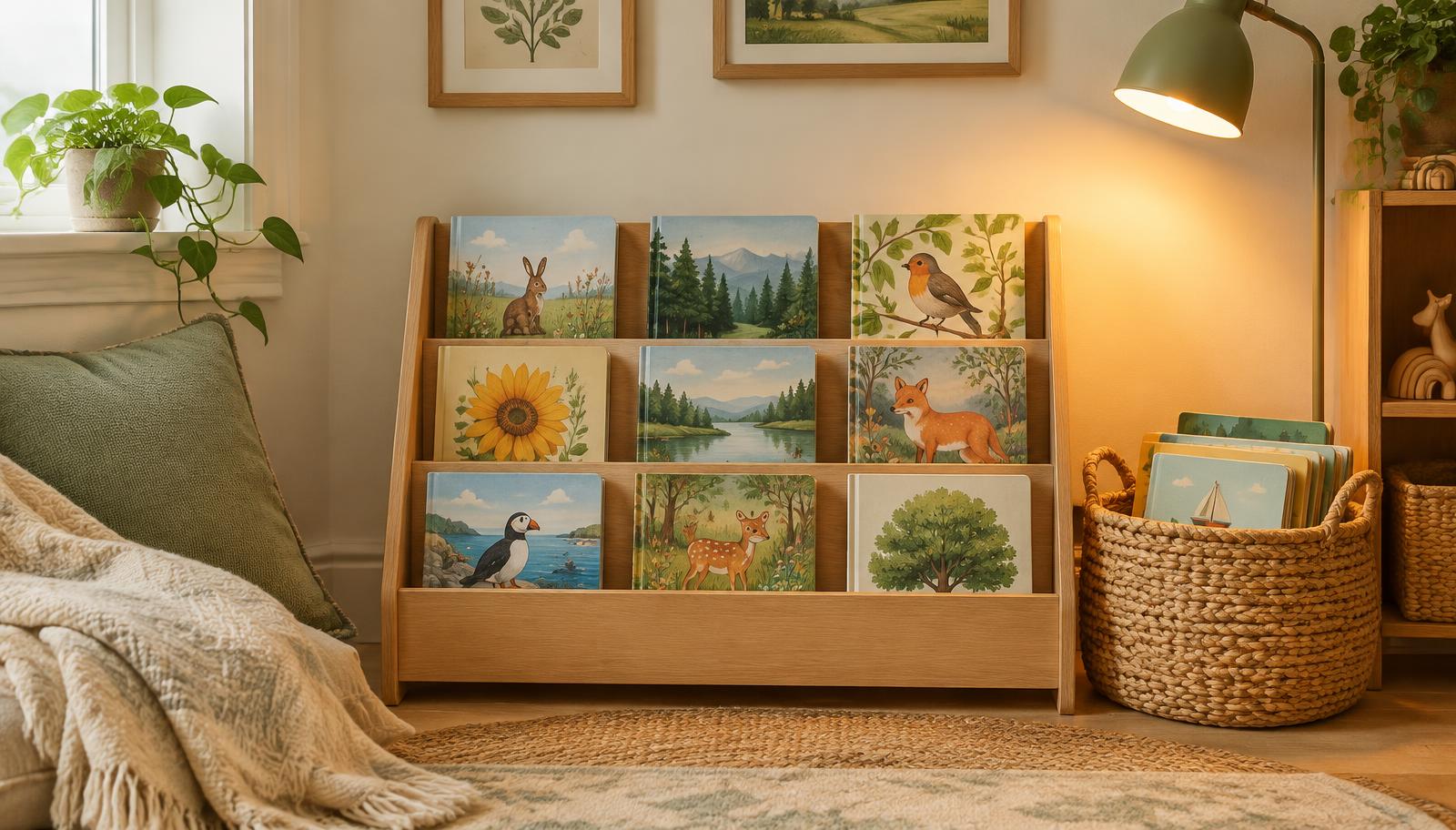
- Picture books and board books
- A simple puzzle
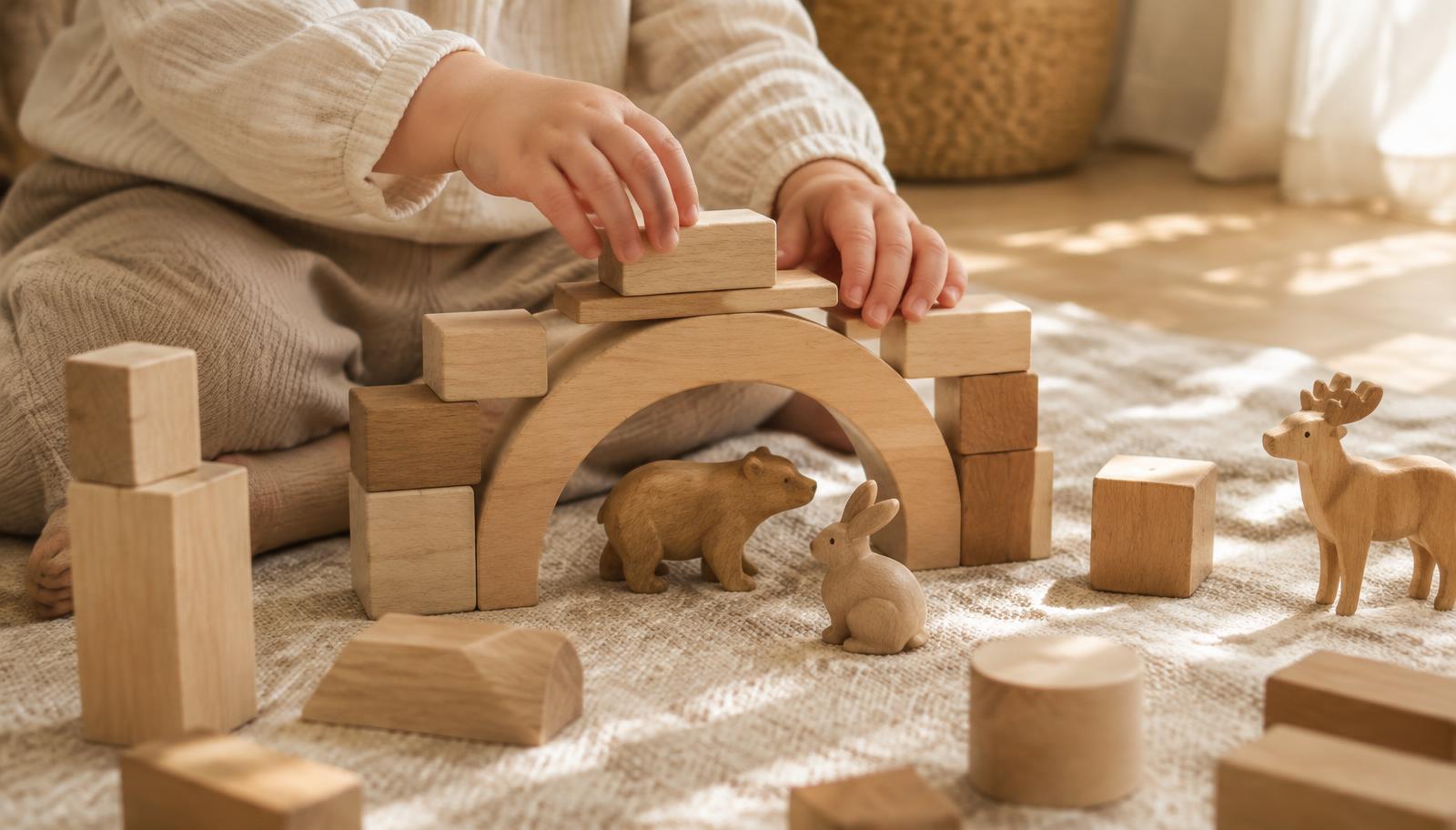
- Wooden blocks or a small set of animals
- Threading beads (for children past the mouthing stage)
- Crayons and paper
- Play dough with a few simple tools
- A soft toy to cuddle
- Lacing cards
Choose things your child can use independently. Toys that need lots of help defeat the purpose. Our guide to independent play explains why simpler toys often hold attention longer.
Books and audio stories
Books are the heart of most quiet times. A small, front-facing selection, as described in our article on creating a book nook, invites children to choose. Audio stories and gentle songs are a good alternative to screens and can help children relax without the stimulation of moving images.
Calm sensory play
Some children find calm in their hands. A small tray of dried pasta with cups and spoons, a basin of cool water with a sponge, or a lump of play dough can be very settling. Our article on DIY sensory bins has ideas. Keep messier activities for older toddlers who can manage them, and supervise anything with small pieces.
Using a timer
Young children do not understand minutes. A visual timer, a sand timer, or a simple rule such as quiet time ends when the music stops helps them know what to expect.
When your child resists
Like any new routine, quiet time can take a while to settle. Keep it consistent, stay calm and make it as pleasant as possible. Sitting nearby with your own book at first can help. Some children do better with quiet time in the living room near you than alone in a bedroom.
After quiet time
Once the heat eases in the late afternoon, many Maltese families head out for a walk, a swim or a visit to the playground. Our guide to plastic-free seaside play suggests simple beach activities, and balcony and courtyard play offers ideas closer to home.
Not just for summer
Quiet time works all year round. In winter, it can help on rainy afternoons when children are stuck indoors. See winter indoor play in Malta and screen-free rainy days. A calm afternoon also makes for a calmer evening, which helps with a screen-free bedtime routine.
Quiet time for parents
Quiet time is not only for children. Parents in the thick of summer, especially those working from home or caring for more than one child, need a pause too. Use it to rest, read, have a cool drink or simply sit in a shaded room. Children learn a great deal from seeing adults rest. Some families make it a shared quiet time, everyone in the same cool room, each with their own book or activity.
If you have more than one child, quiet time can be staggered: the baby naps while the older child plays quietly, or siblings take quiet time in separate spaces so they are not tempted to wind each other up.
Little Curio is curating calm, plastic-free toys for families in Malta; see what is coming soon.
More from the Journal: Raising a Bilingual Toddler in Malta: Play Ideas in Maltese and English, Summer Outdoor Play in Malta: Water, Shade and Early Mornings.