A Calm Corner for Big Feelings: Supporting Toddlers Through Tantrums
Tantrums are a normal part of toddlerhood. A cosy calm corner can give little ones a gentle place to find their way back.
4 min read
Toddlers feel things deeply. Joy, frustration, anger, sadness and fear can arrive quickly and overwhelm them. Tantrums are a normal part of this stage, as toddlers have big feelings but are still learning to manage them. For parents, these moments can be exhausting.
A calm corner is a small, cosy space at home where a toddler can go, with an adult, to settle when feelings run high. This guide explains how to set one up and use it gently. It is not a time-out or a punishment. If you are worried about your child's behaviour or wellbeing, speak to your doctor or health visitor.
Why a calm corner helps
When toddlers are overwhelmed, they cannot think clearly or listen to reason. What they need is help to calm their body first. A familiar, soft, quiet space can help. Over time, children may learn to go there themselves when they feel upset.
Where to put it
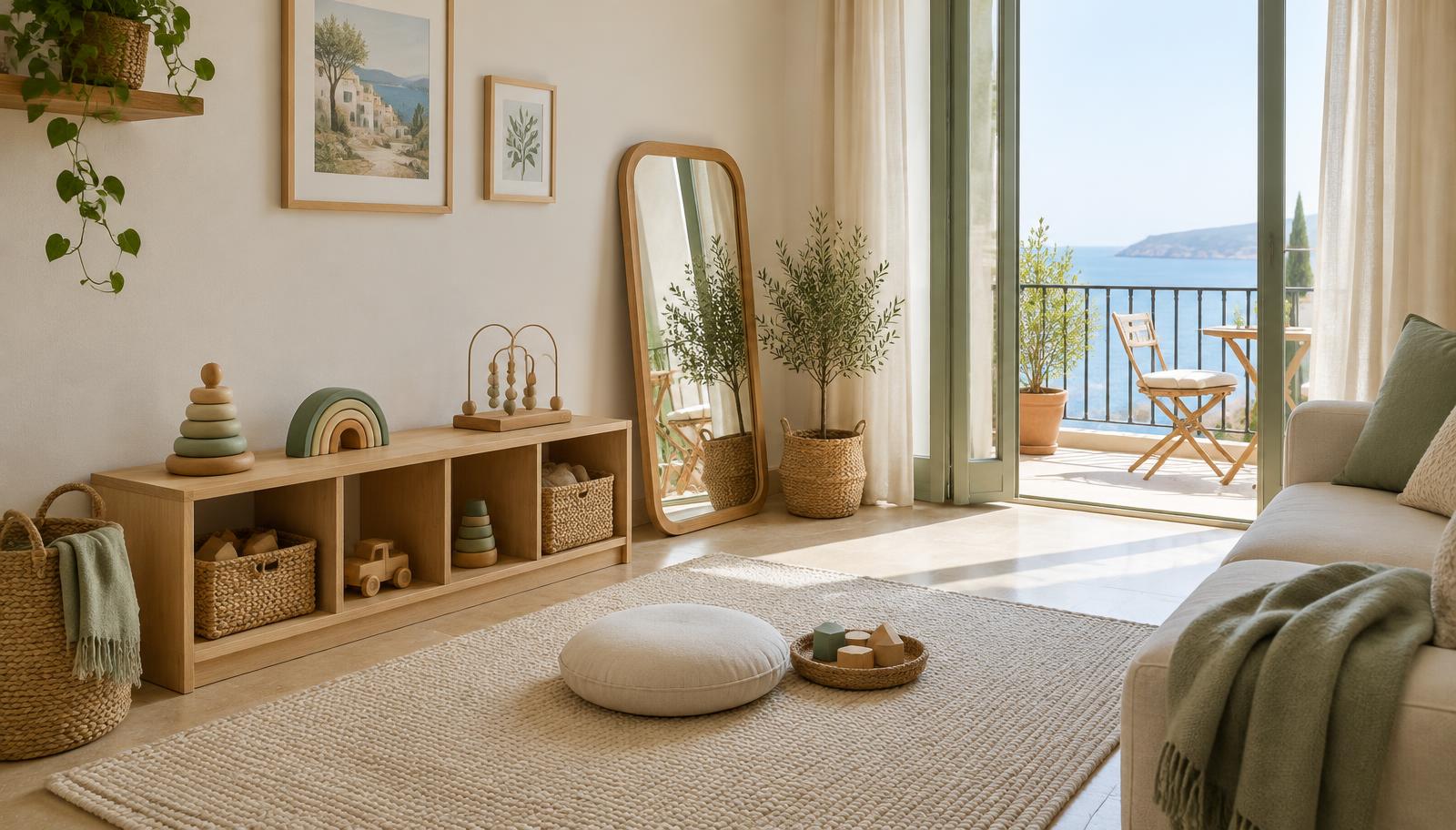
A calm corner does not need much space. A corner of the living room, a spot beside the bed or a nook under the stairs works well. In a small Maltese flat, a few cushions and a basket can be enough. Our article on setting up a play corner in a small apartment has ideas for using space well.
What to include
- Soft cushions or a beanbag
- A cosy blanket
- A favourite soft toy
- A few calming books
- A breathing toy, such as a soft ball to squeeze
- A small basket of sensory items
- Soft lighting, such as a lamp
Keep it simple and calm. Too many things can be overstimulating. A play silk draped overhead can create a cosy den feel.
Books about feelings
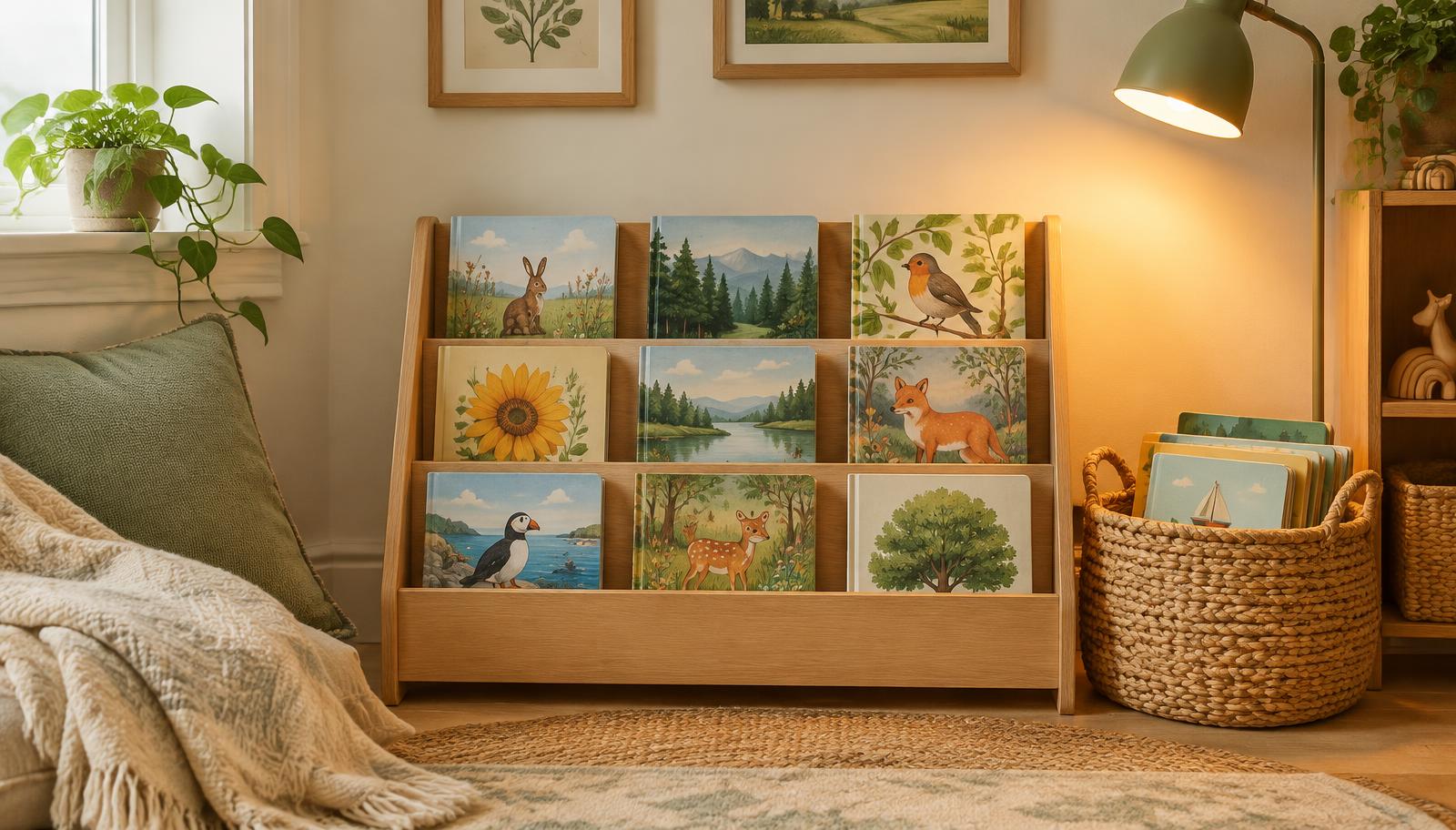
Books that name and explore feelings help toddlers understand their emotions. Read them at calm times, not during a tantrum. Talk about the characters: how does the bear feel? What could help? Our guides to first board books and a front-facing book nook can help you choose.
Sensory items
Some children calm through their senses. A soft fabric, a smooth wooden toy to hold, a rain stick or a small bottle of glitter-free water and beads (sealed tightly) to watch can help. Our article on acoustic wooden instruments mentions rain sticks, which make a gentle, calming sound.
Introduce it at a calm time
Show your toddler the calm corner when they are happy. Sit there together, read a book, cuddle a toy. This way, it feels like a safe, pleasant place, not a punishment.
During big feelings
When your toddler is upset, stay close and calm. Offer to go to the calm corner together. Name the feeling: you are so cross. Offer comfort, a cuddle if they want one, or simply sit nearby. Avoid long explanations. Once they are calm, you can talk about what happened if it helps.
Breathing together
Simple breathing games can help: smell the flower, blow out the candle. Breathe slowly yourself. Children often mirror the calm of the adult beside them.
Your own calm
Staying calm during a tantrum is hard. Take a slow breath. Remind yourself that this is normal and will pass. If you need a moment, make sure your child is safe and step back briefly. Looking after your own rest and wellbeing helps too.
Preventing overwhelm
Many tantrums happen when children are tired, hungry or overstimulated. Regular meals, enough sleep and calm routines help. Our articles on quiet time and a screen-free bedtime routine offer ideas. Busy events like festas can be overwhelming; see Maltese festa season with little ones.
Fewer toys, calmer play
A cluttered play space can feel overwhelming. A smaller selection of toys, rotated regularly, often leads to calmer, deeper play. See our toy rotation guide and setting up a Montessori toy shelf.
Big changes
Changes like a new sibling, starting childcare or moving home can bring more big feelings. Our articles on preparing a toddler for a new baby and getting ready for kindergarten have ideas for these times.
Caring play
Dolls and soft toys can help children explore feelings safely. A teddy who is sad or cross gives a child a chance to practise comforting. See dolls and soft toys for caring play.
Not just for tantrums
A calm corner is useful at other times too. Some children like to go there when they are tired, when the house is busy or when they simply want to be alone for a few minutes. Encourage this. Learning to notice when you need a quiet moment, and to take one, is a valuable skill at any age. Over time, many children begin to use the space without being asked.
Little Curio is curating calm, plastic-free toys for families in Malta; see what is coming.