When to Retire a Toy: Signs Your Toddler Has Outgrown It and How to Pass It On
Shelves fill up and children grow. Here is how to know when a toy has done its job, and how to give it a second life.
4 min read
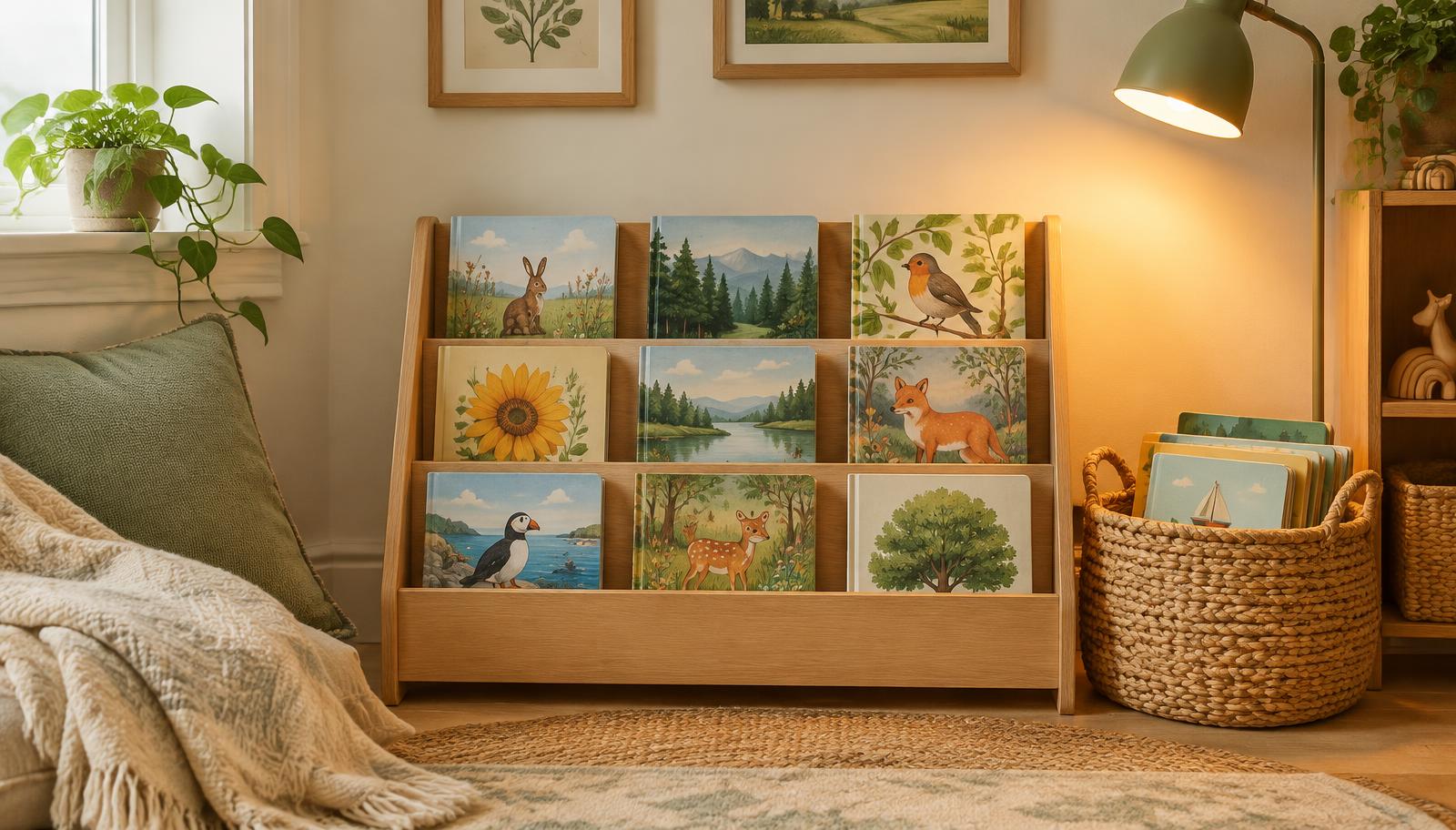
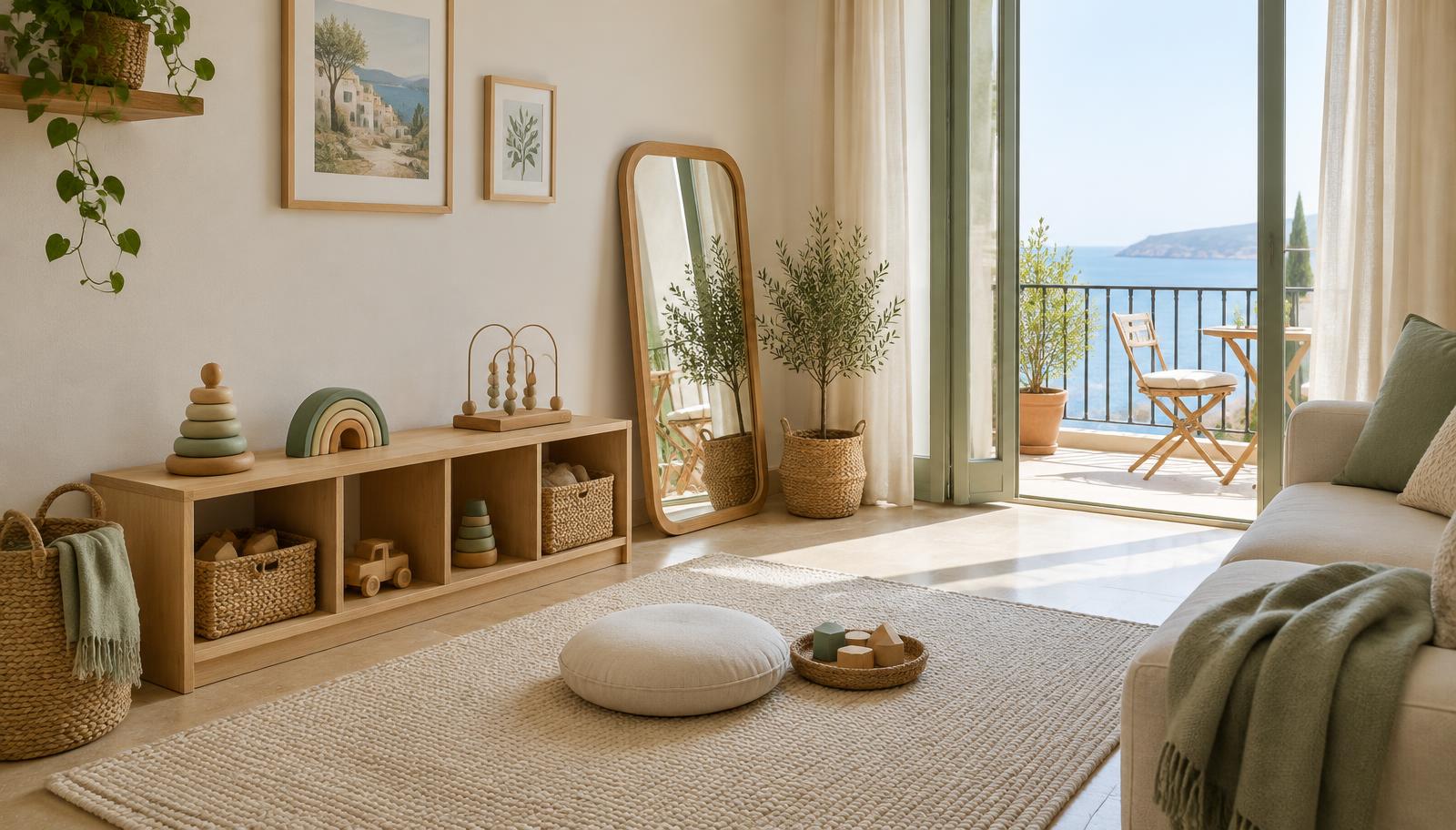
Children grow quickly, and so do their toy collections. Gifts arrive at birthdays and Christmas, grandparents bring treats, and before long the shelves are full. Many families in Malta live in flats where space is precious. At some point, toys need to move on.
This guide helps you recognise when your child has outgrown a toy, how to retire it kindly and how to give it a second life.
Signs a toy has been outgrown
- It has not been chosen in weeks, even after a rotation
- The challenge is too easy: a puzzle completed in seconds, a shape sorter ignored
- It is designed for a much younger age
- Your child uses it only in frustration or boredom
- It is broken, worn or no longer safe
Not every untouched toy has been outgrown. Sometimes a toy just needs a rest. A toy rotation can tell you a lot. If a toy comes back from storage and is still ignored, it may be time.
Toys that last
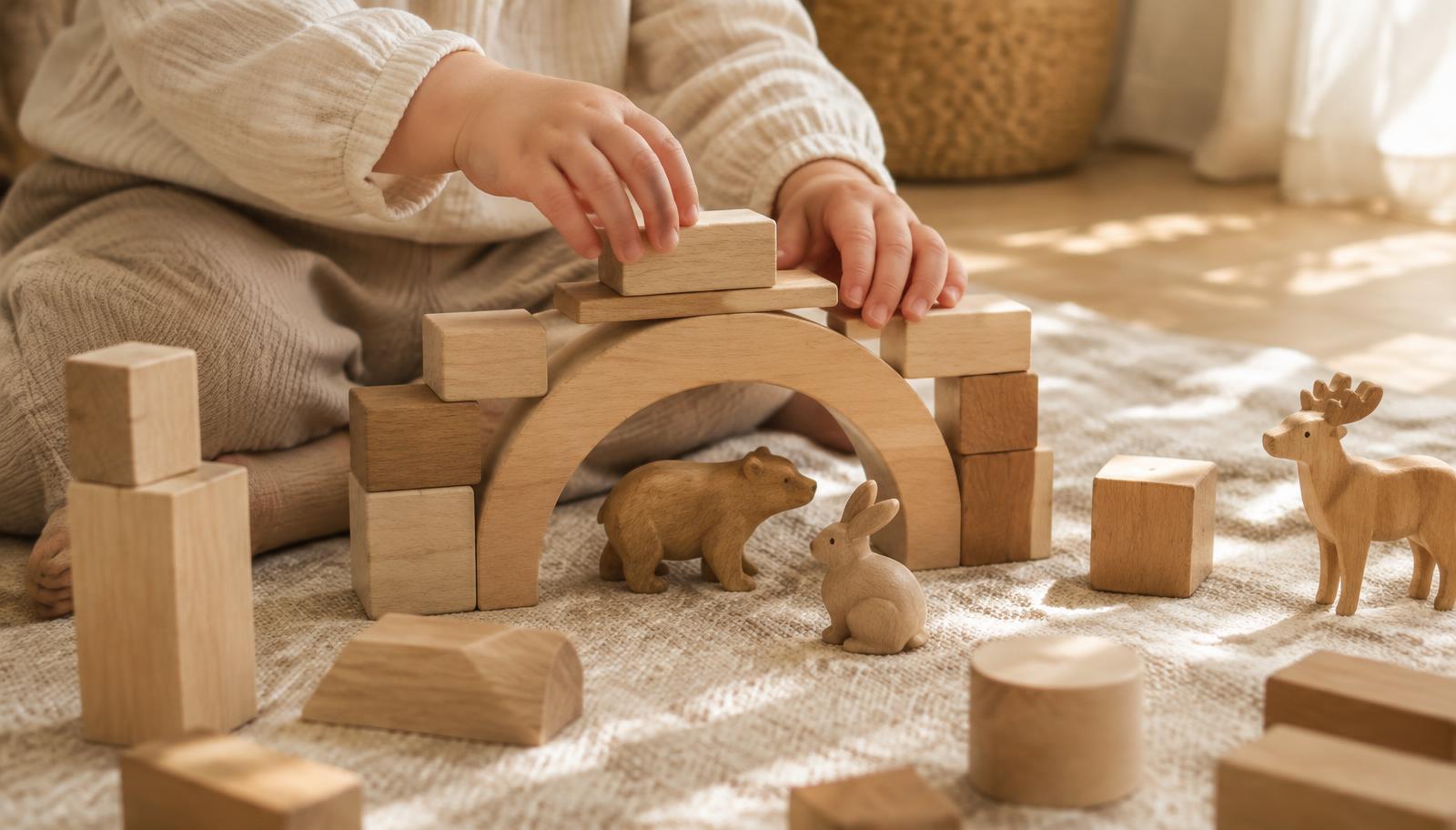
Some toys are rarely outgrown. Wooden blocks, animals and figures, scarves and loose parts are used in different ways at every age. A one year old knocks blocks over. A three year old builds towers. A five year old builds whole cities. These open-ended toys usually earn a permanent place. Our article on open-ended toys explains why.
Toys that pass quickly
Baby rattles, early inset puzzles, simple shape sorters and first board books tend to have shorter lives. They do their job beautifully for a few months, then are outgrown. These are often the easiest to pass on.
Involving your child
Children can be attached to toys, even ones they rarely play with. For toddlers, it often works best to move toys quietly into storage first. If they are not missed after a few weeks, they can move on. Older children can be involved in choosing what to pass on, which helps them learn about generosity and letting go.
Keep a few keepsakes
Some toys hold special memories: the first rattle, a soft toy from a grandparent, the wooden walker that saw their first steps. It is lovely to keep a few in a memory box. Our article on the Maltese quċċija mentions keepsake boxes.
Check before passing on
Before passing on a toy, check it carefully. Is it clean, complete and safe? Look for loose parts, cracks, splinters and peeling paint. Our guide to EN 71 and European toy safety explains what to watch for. Clean wooden toys as described in how to clean wooden toys in Malta's humidity.
Ways to pass toys on
- To younger cousins, siblings or friends
- To a toy library or community swap group, if available
- To charity shops or organisations that accept toys
- To a local nursery or childcare centre, if they accept donations
- Through second-hand selling groups
In Malta, family networks are often close, and many toys pass from cousin to cousin. Check with charities and organisations before donating, as each has its own policies on what they accept.
Toys that cannot be passed on
Broken or unsafe toys should not be passed on. Wooden toys may sometimes be repurposed, for example as part of a loose parts collection, if they are safe. Otherwise, dispose of them responsibly, following local waste separation rules.
Fewer, better toys
Retiring toys regularly keeps shelves calm and helps children focus. Fewer toys can mean deeper play, as described in our article on independent play and minimalist toys. Our guide to natural toy storage helps keep what remains beautifully organised.
Choosing new toys thoughtfully
When it is time to add something new, choose toys that will last and can be passed on. Well-made wooden toys often have long lives and can become family heirlooms. Our article on why we choose plastic-free explains more of our thinking.
A seasonal clear-out
Many families find it helpful to review toys a couple of times a year, for example before a birthday and before Christmas, when new toys are likely to arrive. A quick look along the shelves, a box for passing on and a box for storage keeps things manageable. Over time, your child's collection becomes a smaller, better curated set of things they truly love and use, which is exactly the point.
It can also be a lovely ritual to involve older children in giving toys to younger cousins or friends. Wrapping a well-loved toy and handing it over, perhaps with a note about how much it was enjoyed, teaches care and generosity. In Malta, where families are close, these toys often come back into view at family gatherings, and children love seeing their old favourites being enjoyed by someone new.
Little Curio is curating plastic-free, lasting toys for families in Malta; see what is coming.
More from the Journal: Flying from Malta with a Baby or Toddler: Screen-Free Ideas for the Plane, Eating Out in Malta with a Toddler: A Simple Busy Bag for Restaurants.