Puzzles and Shape Sorters for Toddlers: When and How to Introduce Them
From a single knob puzzle to a first jigsaw, puzzles build patience and problem solving. The trick is choosing the right one at the right time.
4 min read
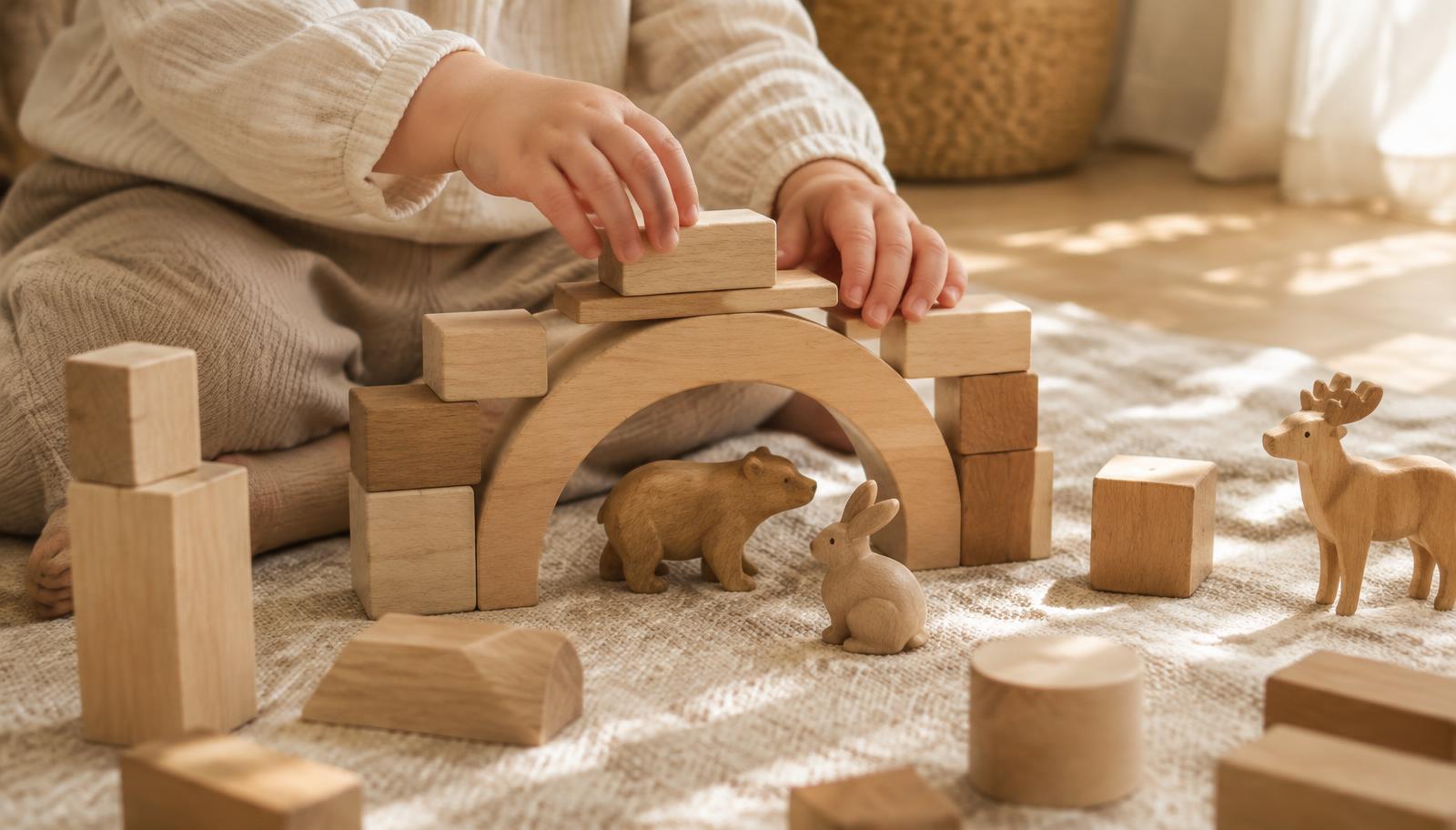
Puzzles have a special kind of satisfaction. The piece turns, wobbles, and then suddenly drops into place. For a toddler, that small click is a real achievement, and it is often followed by an immediate demand to do it again.
Puzzles and shape sorters are some of the most popular toys for children aged one to three, and for good reason. They build hand control, spatial awareness, patience and the beginnings of logical thinking. But a puzzle that is too difficult can end in frustration, and one that is too easy is quickly ignored. This guide helps parents in Malta choose well and introduce puzzles gently.
Why puzzles are worth it
When a child fits a shape into a space, they are comparing, testing and adjusting. They learn that a circle fits a round hole whichever way it turns, but a square needs to be lined up. They practise rotating the wrist and releasing an object precisely. These are the same skills we describe in our guide to fine motor skills before preschool.
Puzzles also have a clear end. Unlike open-ended toys, which have no right answer, a puzzle is finished when every piece is in. Both kinds of play are valuable. A home with mostly open-ended toys and one or two puzzles has a lovely balance.
A rough order to follow
Every child is different, so use this sequence as a guide rather than a rule.
- A single shape puzzle, often a circle, with a large knob
- A posting box with one opening for a ball
- Inset puzzles with three simple shapes: circle, square, triangle
- A shape sorter with three or four shapes
- Knob puzzles with several pieces, such as animals or fruit
- Chunky puzzles where pieces stand up
- Two to four piece jigsaws, then gradually more
Many children start exploring simple inset puzzles somewhere between twelve and eighteen months, and move to small jigsaws closer to two or three. Some race ahead, others take their time.
Starting with the circle
The circle is the kindest first shape because it fits whichever way it goes in. Offer a board with just one circle. Show your child slowly how you lift it out and put it back. Then hand it over and wait. If they struggle, guide their hand lightly or turn the board, rather than doing it for them.
How to introduce a new puzzle
Choose a quiet time when your child is rested. Sit beside them on the floor or at a low table. Take all the pieces out, one by one, slowly and silently. Then put them back, one by one. This kind of calm demonstration lets a child see each step clearly without lots of words. Then invite them to try.
If they lose interest, put it away and try again another day. A puzzle that is ignored at fourteen months might be loved at sixteen. Keeping it out of sight for a while, as part of a toy rotation, helps it feel new again.
Avoiding frustration
Toddlers are learning to manage big feelings, and a stubborn puzzle piece can tip things over. Choose puzzles with fewer pieces than you think they need. Offer help in small steps: point to the right space, turn the piece a little, or hold the board steady. Praise the effort, not just the result. Our article on the 18 month stage has more on supporting toddlers through frustration.
Wooden or cardboard?
Wooden puzzles are sturdy, easy for small hands to grip and survive being chewed, dropped and stepped on. They also last for younger siblings or cousins. Cardboard jigsaws are fine for older toddlers who have stopped mouthing everything. Whatever you choose, look for smooth edges, pieces too large to swallow and a non-toxic finish.
Keeping the pieces together
Missing pieces are the great tragedy of puzzle life. Store each puzzle on its own tray or in its own fabric bag, and keep only one or two out at a time. A low shelf with a few trays, as described in our guide to natural toy storage, makes it easy for toddlers to choose and tidy away.
Puzzles beyond the box
Everyday life is full of puzzles. Putting lids on containers, fitting spoons into a cutlery tray, stacking nesting cups and matching socks all use the same thinking. Let your toddler help, as we explore in practical life for Maltese toddlers.
A thoughtful gift
A beautiful wooden puzzle makes a good gift for a second birthday, a Christmas stocking or a visit from an auntie or uncle. Our second birthday gift ideas and Christmas stocking fillers include more ideas. Little Curio will soon offer a small selection for families in Malta; see the shop for updates.
More from the Journal: Stacking Toys for Babies and Toddlers: From First Rings to Tall Towers, Pretend Play for Toddlers: Play Kitchens, Little Shops and Tiny Homes.