Montessori Toys for 2 and 3 Year Olds: Practical, Purposeful and Simple
Two and three year olds want to do real things, by themselves. These Montessori-inspired toys and activities meet them there.
4 min read
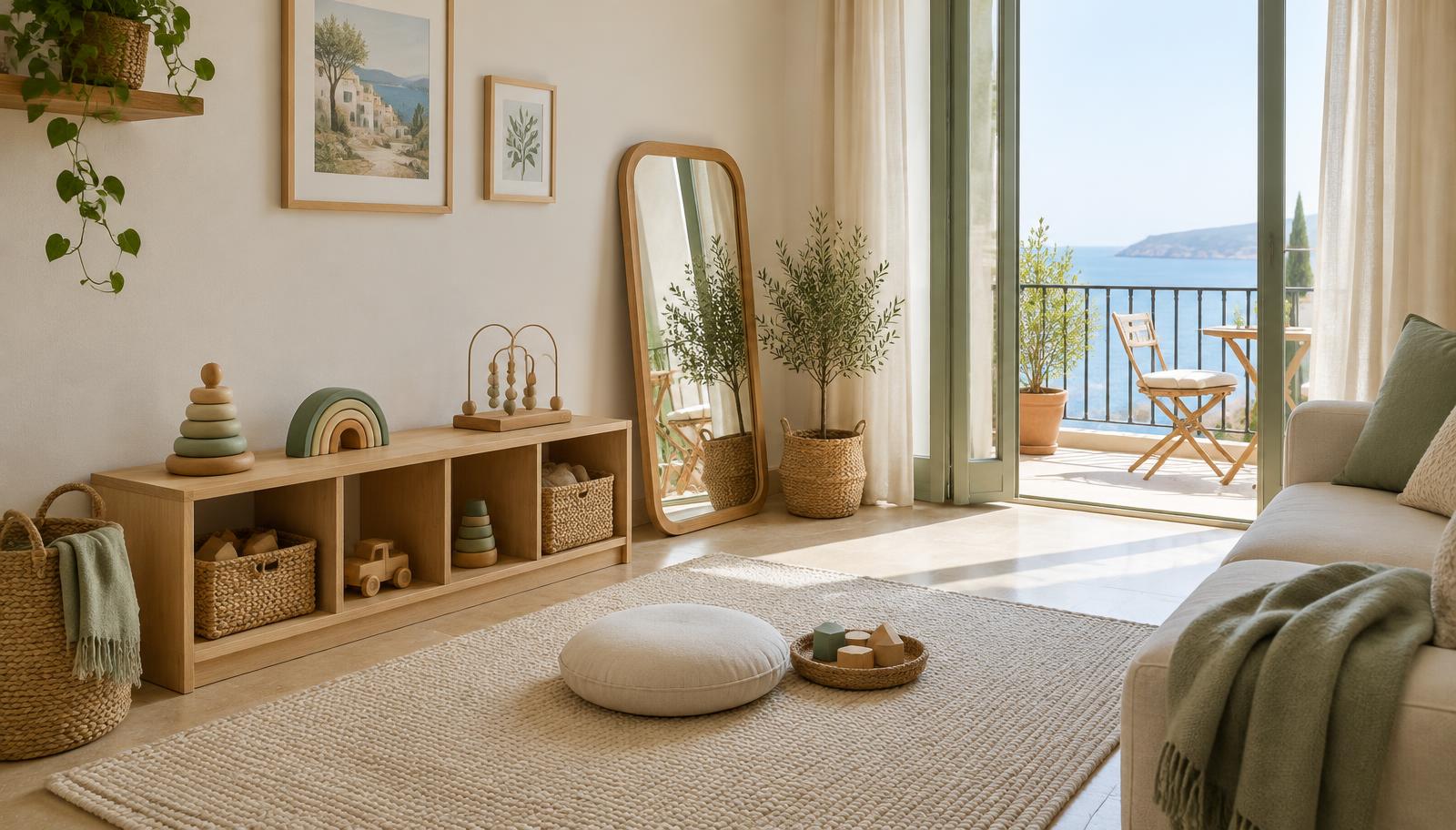
Between two and three, children change enormously. Their language explodes, their hands become more skilled and their desire to do things by themselves grows stronger every day. Montessori-inspired toys and activities suit this stage beautifully, because they focus on real skills, independence and concentration.
This guide follows on from our article on Montessori toys for babies from 0 to 18 months. It suggests toys and activities for two and three year olds, for families in Malta who want to bring a Montessori-inspired approach into their home.
What makes a toy Montessori-inspired?
- Made from natural materials such as wood, metal, cotton and wool
- Realistic, rather than fantasy
- Focused on one skill or idea at a time
- Self-correcting, so the child can see if they have succeeded
- Simple, beautiful and calm
You do not need special Montessori-branded toys. Many simple, well-made toys and everyday objects fit this approach.
Practical life
Practical life activities are at the heart of Montessori for this age. Two and three year olds love pouring, spooning, sweeping, washing and preparing food. A small jug, a child-sized broom, a sponge and a step stool for the kitchen are some of the most valuable things you can offer. Our guide to practical life for toddlers has many ideas.
Fine motor work
Activities that build hand control and strength include threading large beads, using tongs to move objects, opening and closing containers, screwing lids on and off and using a peg board. Our article on fine motor skills before preschool explains why these matter.
Puzzles
Knob puzzles with several pieces and simple jigsaws of two to twelve pieces suit many children of this age. Our guide to puzzles and shape sorters explains how to choose and introduce them.
Sorting and matching
Sorting by colour, size or type, and matching pictures or objects, are favourite activities. Our article on sorting and matching games has ideas using toys and natural treasures.
Building
Wooden blocks are not traditional Montessori materials, but many Montessori-inspired families include them. They build spatial awareness, problem solving and creativity.
Realistic animal and object figures
Realistic animal figures support language and learning about the world. A set of farm animals, sea creatures or animals from different continents can be named, sorted and matched with pictures. Our article on building a collection of wooden animals explains how a collection can grow over the years.
Art
Simple art materials, such as thick crayons, paint, a brush, paper and play dough, invite creative expression. Keep them on a tray, ready to use. Our article on starting a toddler art habit has ideas for low-mess art.
Music
Simple instruments like a xylophone, shaker, drum and bells invite children to explore sound. Our article on acoustic wooden instruments explains why these suit young children better than electronic toys.
Books
Montessori-inspired families often favour books with realistic pictures and stories about real life. A small, front-facing selection invites children to choose. See our article on creating a book nook.
Gross motor
Two and three year olds need plenty of movement: climbing, running, balancing and jumping. A climbing triangle, balance board or simple stepping stones can help indoors. Our article on indoor gross motor play has ideas for small spaces.
Nature
Time outdoors is important in Montessori education. Caring for plants, collecting natural treasures and observing insects connect children to the natural world. Our articles on nature play in Malta's parks and spring nature walks suggest places to explore.
Setting up the space
A low shelf with a few carefully chosen activities, rotated regularly, is central to the approach. Our guide to setting up a Montessori toy shelf explains how.
Preparing for kindergarten
Many of these activities build independence and skills that help children settle into kindergarten. Our article on getting ready for kindergarten in Malta explores this further.
Independence at home
Two and three year olds are often happiest when they can do things themselves. A low hook for their coat, a small pitcher of water they can pour from, a cloth to wipe spills and a step stool to reach the sink all support independence. These small changes can reduce frustration and build confidence. Our article on raising a Montessori baby in a modern Maltese flat has ideas for small spaces.
Fewer, better things
Montessori-inspired homes tend to have fewer toys, chosen carefully. Rather than buying lots of new things, look at what your child is interested in now and offer one or two activities that match. Rotate them as interests change. A small, thoughtful selection is often more engaging than a room full of toys.
Above all, trust your child. They will show you what they are ready for.
Little Curio is curating plastic-free, Montessori-inspired toys for families in Malta; see what is coming.